
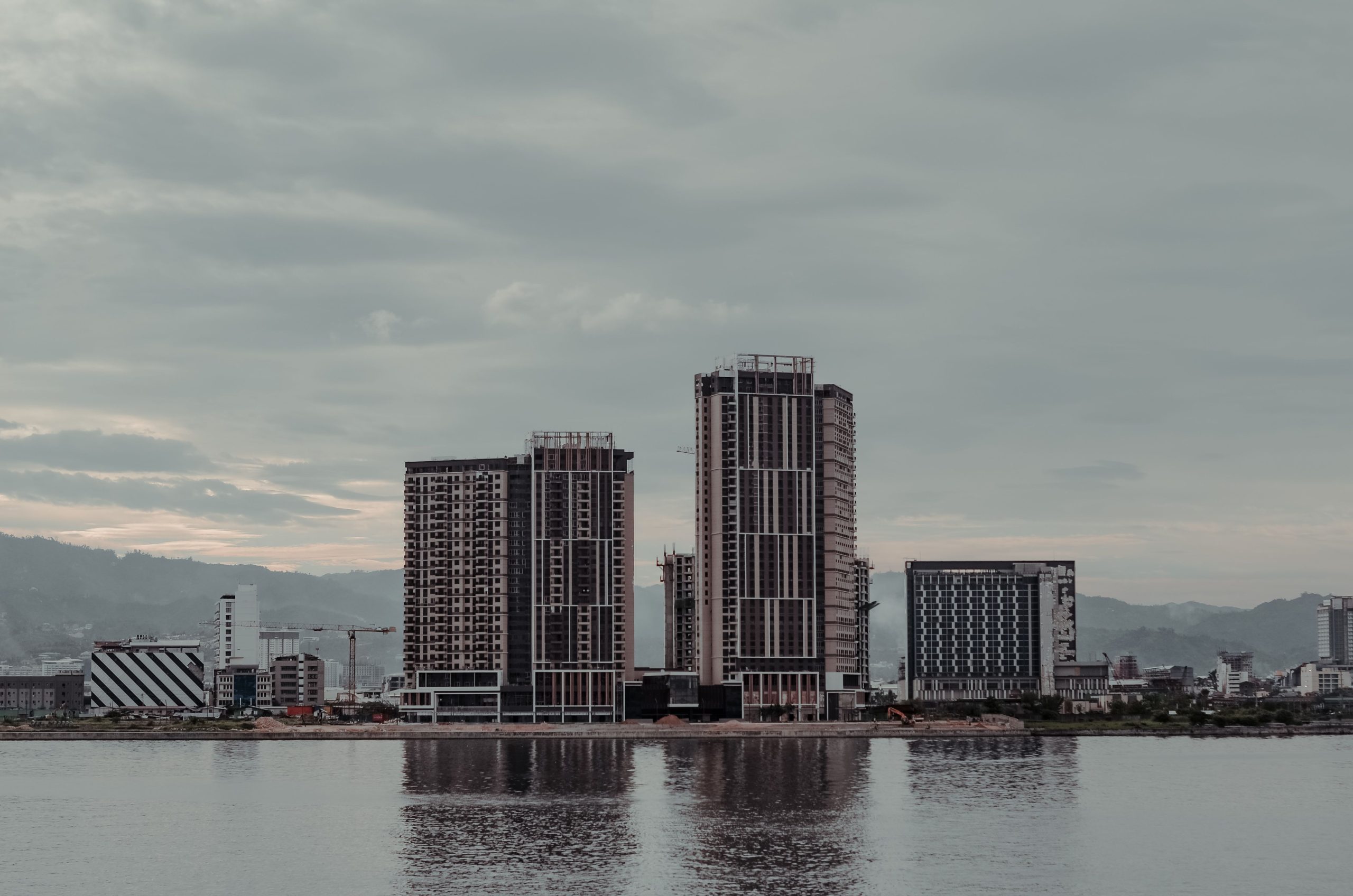
Sabah occupies a distinctive place in Malaysia’s development story. It is a large Bornean state with a long coastline, major forests and marine ecosystems, agricultural land, ports facing several regional markets, and communities spread across cities, islands, rural districts, and the interior.
That geography creates opportunity, but it also changes what development means. A new industrial facility in a coastal corridor can strengthen exports, yet the wider regional benefit depends on roads, electricity, water, skills, digital access, and reliable links to smaller towns. Sabah’s role is therefore not simply to supply commodities or attract visitors. It is to connect Malaysia’s national economy with eastern Malaysia and the wider Borneo region while making growth more broadly accessible within the state.

A state with national and regional reach
Sabah matters to Malaysia partly because of its position. Kota Kinabalu is a national gateway, while ports and industrial areas on the west and east coasts connect production to domestic and international markets. The state also sits close to Brunei, Indonesia, the southern Philippines, and important maritime routes through the wider region.
This does not mean every district can or should pursue the same economic model. Kota Kinabalu can support services, education, tourism, and higher-value business activity. The east coast has stronger links to agriculture, fisheries, processing, logistics, and resource-based industries. Interior districts may benefit more from food production, rural enterprise, eco-tourism, and better connections to education and health services.
The practical question is how these different strengths can work as a network. Regional development is strongest when a port is connected to producers, a training institution is connected to employers, and a tourism destination is connected to local suppliers rather than operating as an isolated enclave.
From natural assets to higher-value activity
Sabah’s land and sea resources give it a substantial economic base. Agriculture, palm oil, fisheries, forestry, and tourism remain important, but the larger development opportunity lies in moving from extraction or primary production toward processing, research, logistics, and locally owned services.
Recent planning illustrates this direction. A February 2026 update from the Sabah Economic Development and Investment Authority described nine master plans and feasibility studies intended to guide projects under the 13th Malaysia Plan for 2026–2030. The work includes a border economic development study and an Interior Food Valley plan covering Keningau, Tambunan, Tenom, Tongod, and Nabawan.
The same update reported that the Palm Oil Industrial Cluster in Lahad Datu had generated RM4.1 billion in investment and 3,099 jobs as of 2024, with 42 companies operating there. The significance is not only the headline investment figure. Downstream activity can create demand for maintenance, transport, packaging, technical services, training, and small suppliers across a wider area.
Ports are useful only when the hinterland works
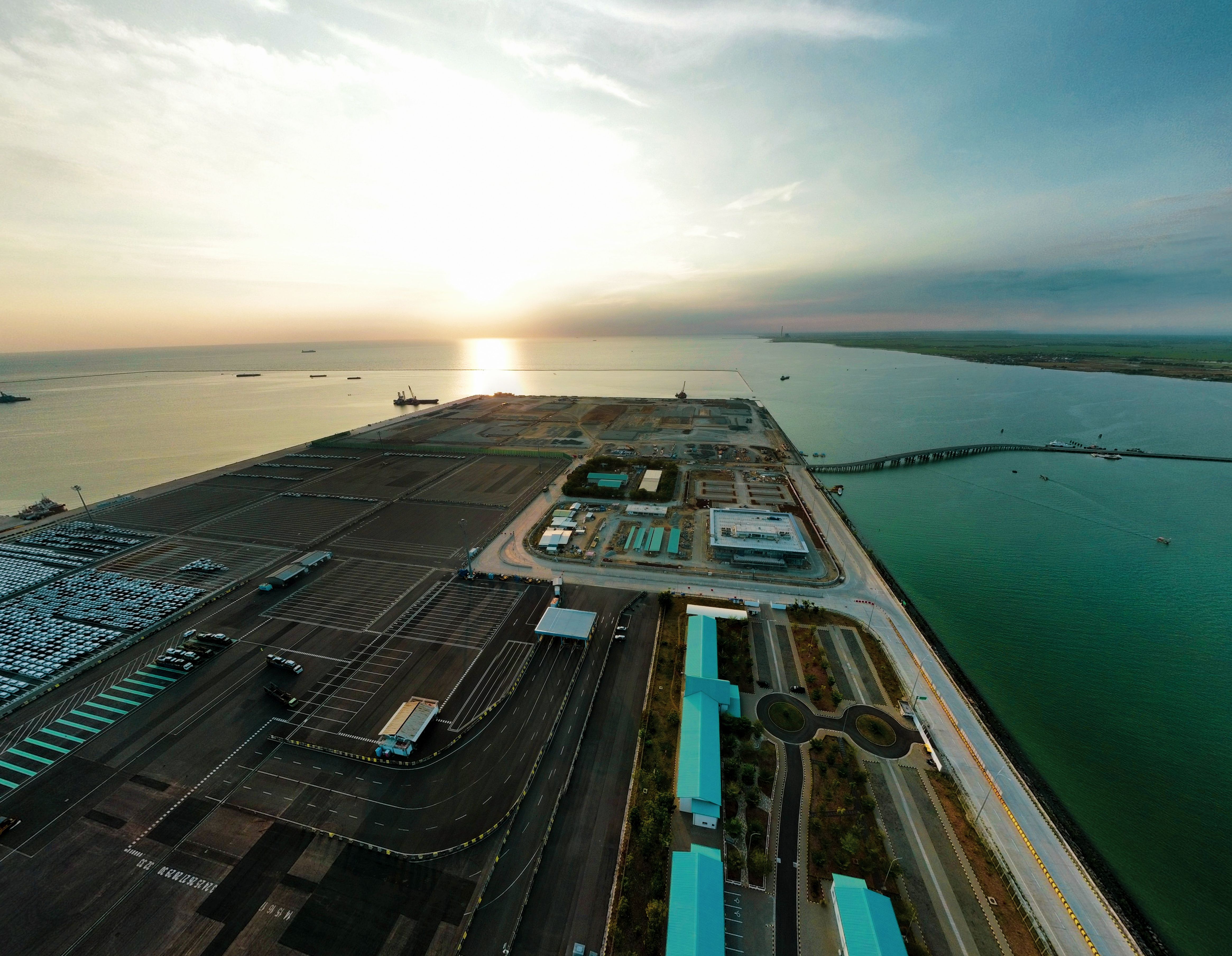
Sabah’s maritime position is an advantage, but a port does not create broad development by itself. Cargo needs roads, storage, customs processes, power, digital systems, and dependable connections to farms, factories, and markets. Small businesses also need a practical way to participate in the supply chain.
One example comes from the Sepangar area. The SEDIA update recorded a three-kilometre dual-carriageway connection between UiTM and Sepangar Bay Container Port, including a 600-metre tunnel. It linked transport infrastructure with a wider industrial cluster and reported RM8.32 billion in KKIP investment between 2017 and 2024, alongside 5,882 jobs.
These figures should be read as project outcomes reported by the implementing authority, not as a guarantee that benefits are evenly distributed. The broader lesson is more durable: infrastructure has the greatest regional effect when it reduces friction between several parts of the economy at once.
The difficult centre of the issue: rural access
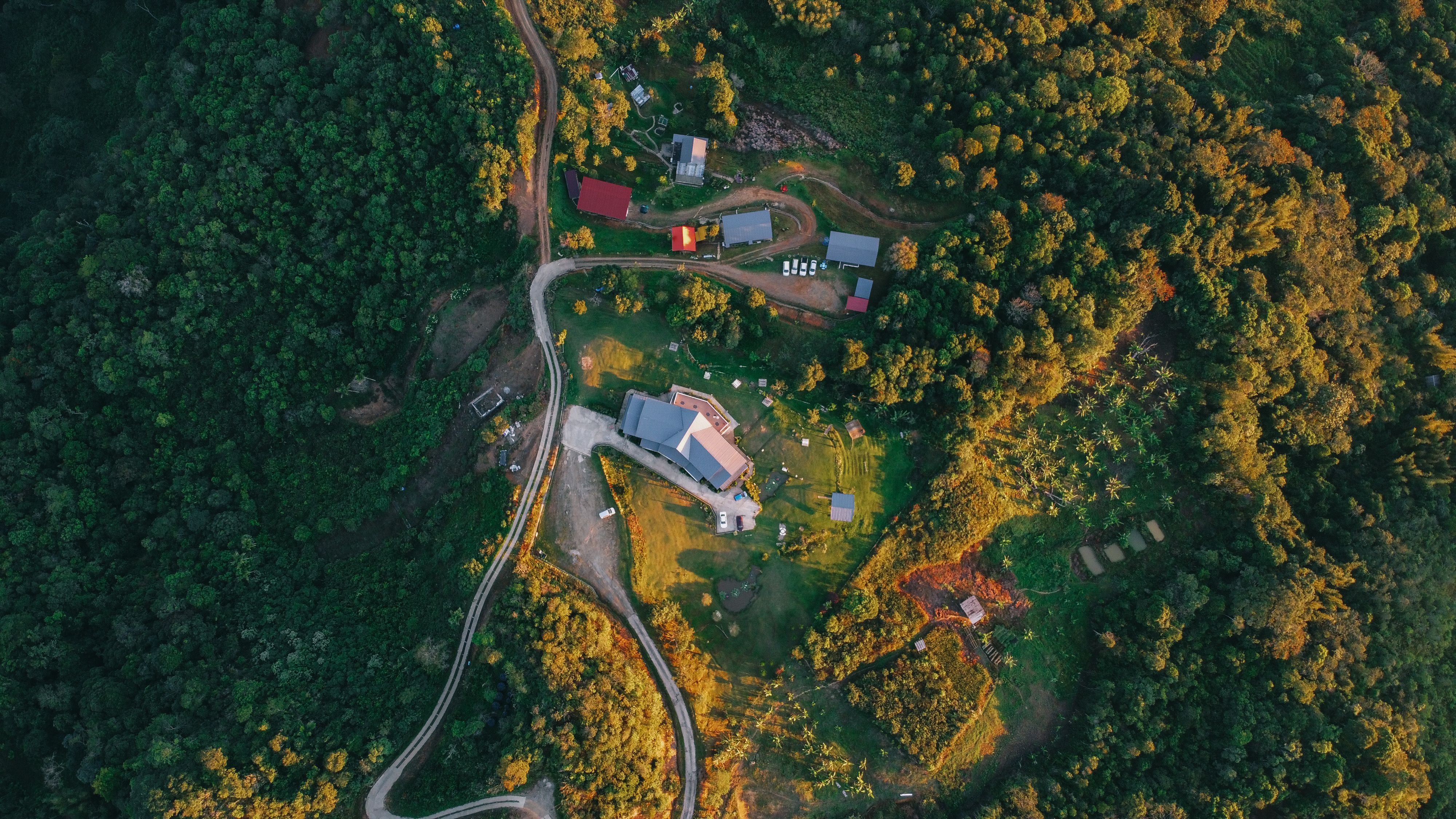
Sabah’s development challenge is partly a distance problem. Communities may be separated from district centres by mountains, rivers, islands, or roads affected by heavy rainfall. In those conditions, the cost of reaching a hospital, secondary school, market, training centre, or government service can shape household opportunity as much as income does.
Recent project reporting offers a concrete illustration. The 48.5-kilometre Tongod–Pinangah road was reported to have reduced travel time from four hours to one hour. That type of improvement can affect more than commuting. It can change whether farmers can sell perishable goods, whether students can attend classes consistently, and whether emergency services can reach communities in time.
The World Bank has treated Sabah as one of Malaysia’s lagging states in its work on inclusive recovery and growth. Its 2022 assessment argued that reducing regional gaps requires a combination of better access to education and skills, improved links to national markets, and policies designed around local conditions.
That is an important distinction. Regional development is not achieved simply by placing a major project in a less-developed district. It requires the supporting systems that allow residents and local firms to use the project’s opportunities.
Coastal communities and the blue economy
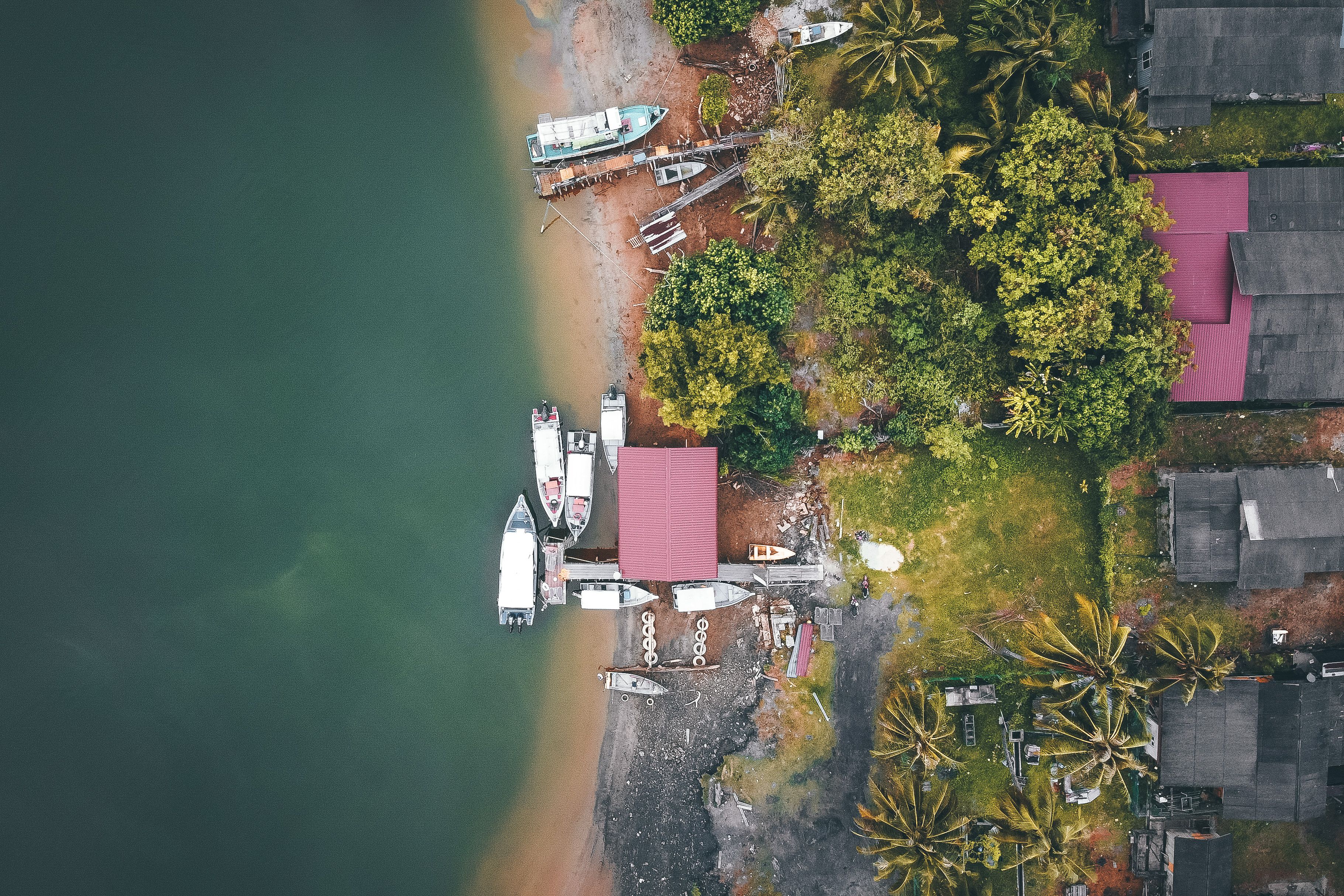
Sabah’s coastline makes fisheries, aquaculture, marine tourism, shipping, and coastal services part of its development portfolio. Coastal economies also face practical constraints: changing weather, limited cold-chain capacity, fragile ecosystems, and the need for safe connections between islands and mainland markets.
A blue-economy approach should therefore be broader than building new facilities. It can include better landing sites, cold storage, vessel services, marine research, sustainable tourism standards, skills training, and digital market access. The aim is to increase value while maintaining the ecological systems on which coastal livelihoods depend.
Planning for growth without losing the landscape
Sabah’s natural assets are economic assets, but they are not unlimited. Forests, watersheds, coral reefs, mangroves, and mountain landscapes support tourism, food production, water security, and community life. Damage to these systems can impose costs far beyond the site of a single project.
The Sabah Structure Plan 2033 is the state’s highest-level physical planning document. The state planning department says it coordinates land-use policies covering environmental, socioeconomic, and infrastructure matters, and translates them into district and local plans. This planning function is important because development decisions in one district can affect water, transport, housing, and ecosystems elsewhere.
For Sabah, sustainable development is therefore a coordination task rather than a separate environmental programme. Industrial zoning, road design, watershed protection, settlement planning, tourism capacity, and coastal management need to be considered together.
Why federal-state coordination matters
Many of Sabah’s development priorities require cooperation across levels of government. Large transport links, schools, hospitals, utilities, and regional investment programmes involve federal and state responsibilities, while implementation often depends on district agencies and local authorities.
The state’s Sabah Maju Jaya 2.0 framework for 2026–2030 groups its priorities around economic growth, human capital and public well-being, and infrastructure with green sustainability. It also identifies blue economy activity, digitalisation, and inclusive development as cross-cutting priorities.
That combination reflects the central reality of Sabah’s role in Malaysia’s regional development: economic competitiveness and social inclusion cannot be separated by geography. A port without feeder roads has limited reach. A tourism destination without trained local workers captures less local value. A new industrial cluster without reliable utilities can struggle to expand. A rural road without schools, clinics, or market access solves only part of the problem.
Readers wanting a broader perspective on Sabah’s place in Malaysian regional affairs can also consult this regional affairs coverage.
What success would look like
Sabah’s development should be judged through several measures at once:
- Whether rural and coastal communities gain more reliable access to roads, electricity, water, healthcare, education, and digital services.
- Whether investment creates durable local supply chains rather than concentrating activity in a few sites.
- Whether agriculture, fisheries, tourism, and natural-resource industries move toward higher-value and more sustainable activity.
- Whether young people can find relevant skills training and employment without having to leave their districts by necessity.
- Whether forests, watersheds, coastlines, and marine habitats remain productive and resilient.
Sabah’s role in Malaysia’s regional development is larger than its contribution to national output. It is a bridge between Malaysia and Borneo’s surrounding markets, a source of food and natural wealth, a destination for tourism and investment, and a test of whether national growth can reach dispersed communities.
The most useful way to understand Sabah is not as a remote edge of Malaysia, but as a regional system with several connected economies. When those economies are planned together, investment in a road, port, training centre, farm, or conservation area can reinforce the others. That is the pathway by which Sabah can contribute to national growth while improving the quality and resilience of development within the state itself.