
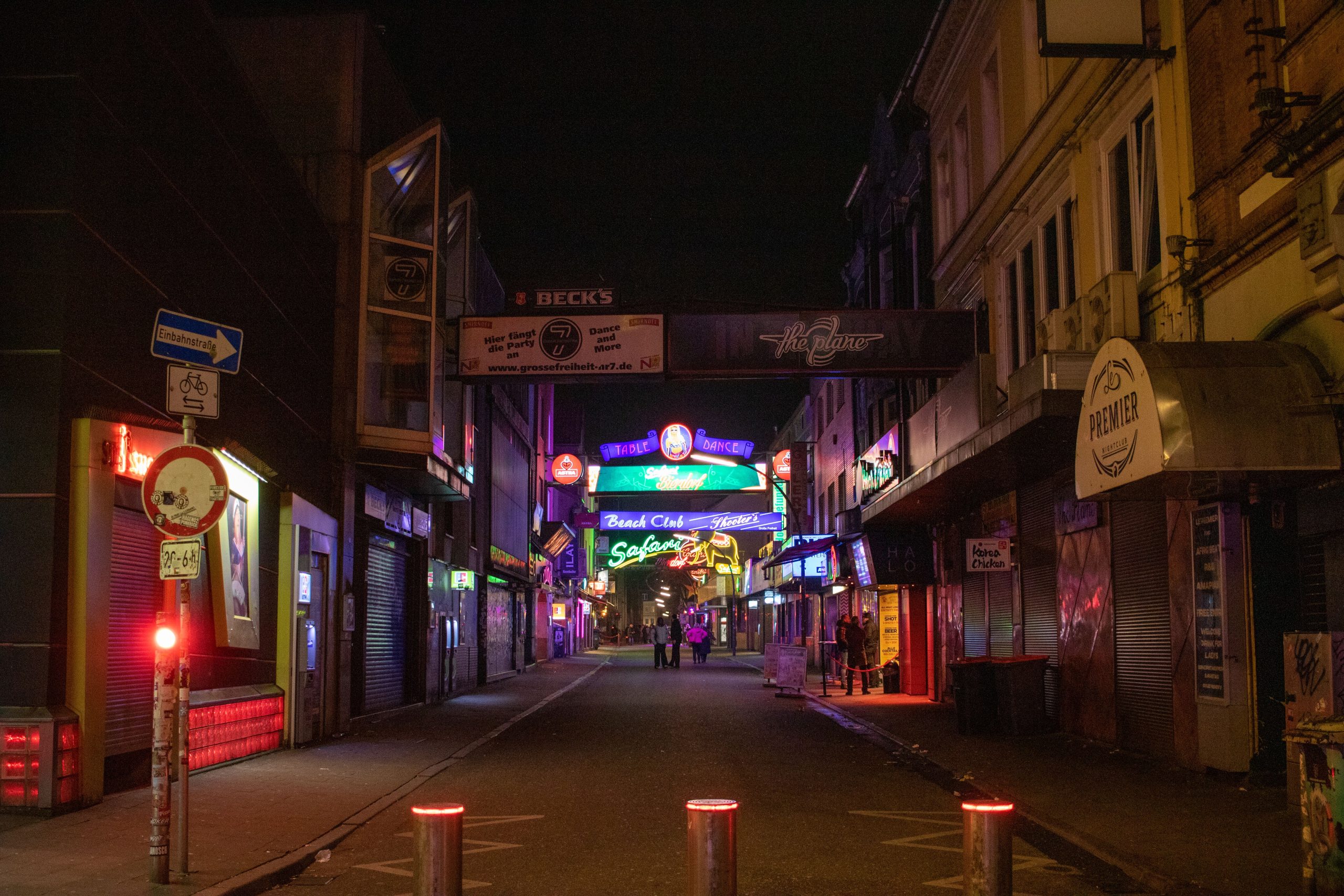
Germany’s adult entertainment industry is no longer defined by one kind of business. Alongside studios, clubs and agencies, independent creators now sell subscriptions, livestreams and custom videos directly to audiences. The biggest change is not simply that more content is online: control over production has spread, while the power to distribute, monetize and remove that content remains concentrated in platforms.
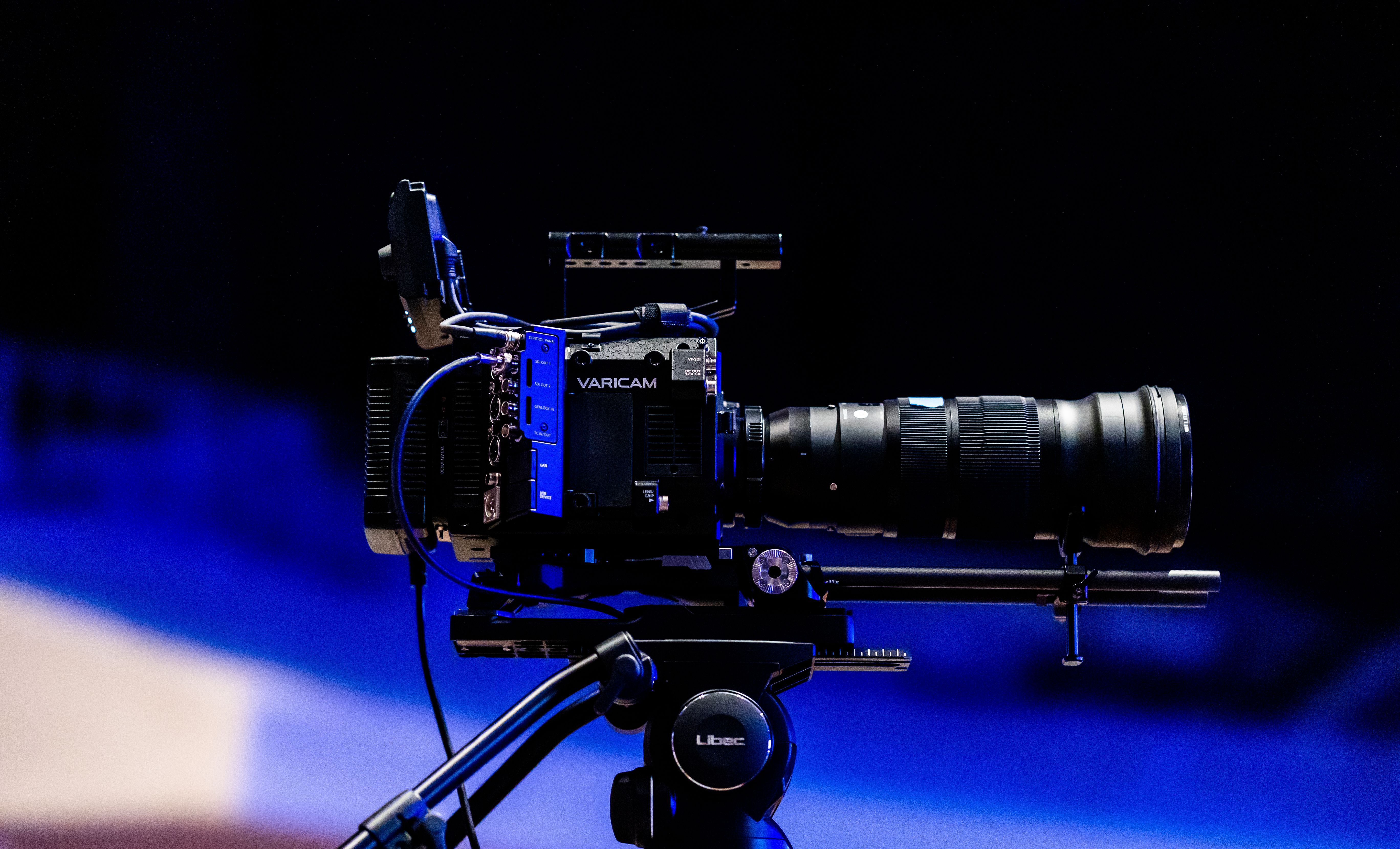
From studio set to personal channel
Traditional production still matters, but digital subscriptions have made it possible for performers to build smaller, direct-to-fan businesses without relying on a film distributor. Creators can decide what to publish, set subscription or pay-per-view offers, and cultivate an audience through regular interaction. That opens a route into the market that did not require a full production company behind it.
The trade-off is easy to miss. A creator may be the performer, producer, promoter and customer-service desk at once; income can depend on platform rules, payment access and a steady stream of attention. Reporting from Berlin’s 2025 Venus fair described subscription creators alongside discussions of AI, anti-piracy and payment tools, showing how the industry’s business conversation has widened beyond filming alone. The report from the Venus trade fair also documented a creator’s concerns about social-media account blocks and the pressure to stay personally available to subscribers.

“Adult entertainment” is not one legal category
Online pornography, webcam content and in-person sexual services may share customers and marketing channels, but they are not interchangeable forms of work. Germany’s Prostitute Protection Act applies to people providing sexual services in person for payment and to operators of prostitution businesses; it sets registration, counselling and licensing requirements. The federal government’s overview of the law’s rules makes that framework clear. A person looking for an escort service München is navigating an in-person service market, not a creator’s video subscription.
This distinction matters because arguments about the industry often collapse very different jobs into one headline. A performer making online content faces questions of consent, privacy, copyright and platform access; an in-person worker also faces local rules and the requirements that attach to prostitution services. Better protection depends on recognizing those differences rather than assuming one policy fits all.
The platform is also a regulator
Creators rely on platforms for discovery, payment and audience access, yet those companies can change rules or remove content with little warning. Meanwhile, large adult websites face growing public obligations. In March 2026, the European Commission issued preliminary findings that Pornhub, Stripchat, XNXX and XVideos breached the Digital Services Act by failing to protect minors from pornographic content. The platforms can respond to the findings; they are not final rulings. The Commission’s announcement shows how online safety is now part of the industry’s operating environment, not an issue outside it.
The case for stronger safeguards is serious: platforms must prevent minors’ access and address illegal or non-consensual material. But compliance can also mean blanket restrictions that make lawful creators harder to find or pay. My view is that the industry’s next phase will be judged less by production technology than by whether platforms can enforce safety rules precisely, while giving adults clearer processes to contest removals and protect their work.
Germany’s adult entertainment scene is becoming more distributed in production and more centralized in infrastructure. The camera may belong to the creator; the audience relationship, payment rail and rules of visibility often do not. That imbalance is the real story behind the industry’s changing face.