
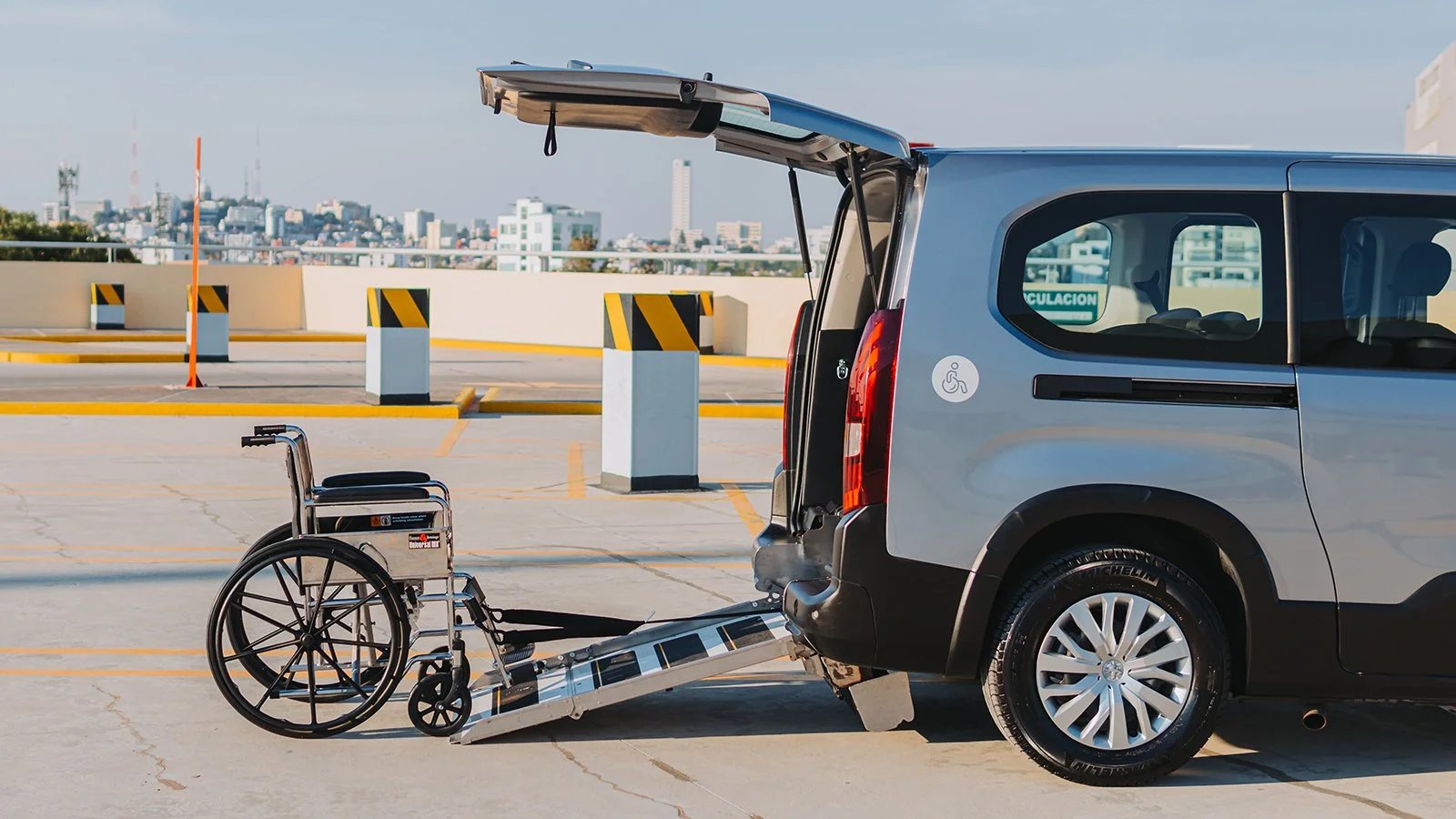
Moving a person with limited mobility requires more than simply getting them from one location to another. Emergency services workers may encounter wheelchair users, older adults, people recovering from injuries and passengers with other mobility requirements. Understanding the person’s needs, choosing appropriate equipment and communicating clearly can reduce unnecessary risks during transport.
Assess Mobility Needs Before Moving the Person

Limited mobility can mean different things for different people. Some passengers can walk short distances with assistance, while others depend entirely on a wheelchair or another mobility device. Before attempting a transfer, workers should determine what the person can safely do and whether specialist equipment or additional assistance is required.
Communication should be part of that assessment. When possible, ask the individual how they usually transfer and whether particular movements cause discomfort or difficulty. A person who regularly uses mobility equipment may be able to provide useful information about the safest way to assist them.
Workers should avoid assuming that every wheelchair user requires the same approach. The person’s physical condition, wheelchair type, environment and reason for transportation can all influence what is appropriate.
Use Suitable Vehicles and Equipment for the Journey
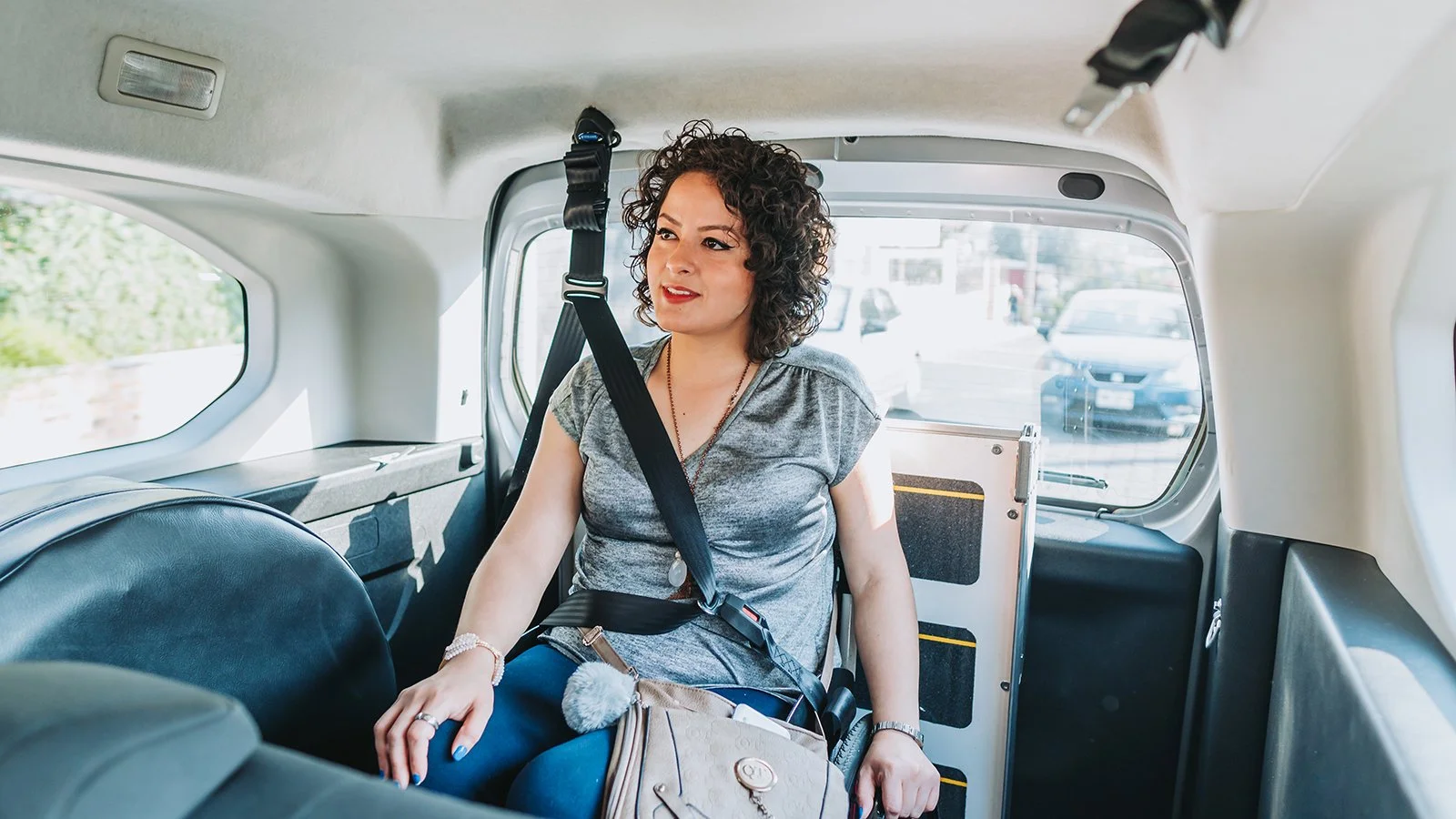
The vehicle needs to match the passenger’s requirements. Wheelchair-accessible vehicles may include ramps or lifting equipment, appropriate internal space and systems designed to secure mobility devices during transportation. Equipment should be used according to relevant procedures and manufacturer instructions.
Not every situation requires an emergency vehicle. For non-emergency journeys where appropriate, accessible transport services may provide another option. Services such as Black and White Cabs can be considered when arranging suitable transportation, provided the available vehicle and service meet the passenger’s specific mobility requirements.
Before departure, mobility devices and other equipment should be positioned appropriately. Workers also need to consider the entire journey, including how the passenger will enter the destination safely once the vehicle arrives.
Communication and Dignity Matter Throughout Transport
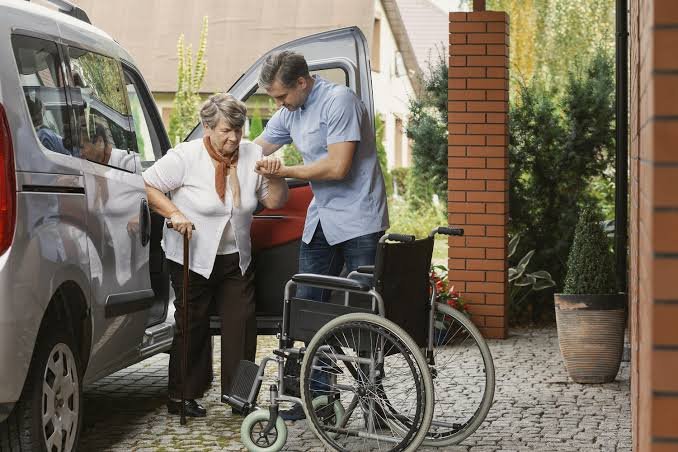
Safe transportation involves more than physical handling. Explaining what is happening before moving or repositioning someone can help the passenger understand what to expect and provide an opportunity to raise concerns.
Whenever circumstances allow, speak directly to the person rather than only communicating with a family member, carer or colleague. Mobility limitations do not automatically affect someone’s ability to understand information or make decisions about their own movement.
Workers should also respect mobility equipment as part of the person’s independence. Wheelchairs, walking aids and other devices should be handled carefully and kept available when they will be needed at the destination.
In genuine emergencies, clinical needs and established emergency protocols take priority. Specialist medical transportation should be used whenever a person’s condition requires monitoring, treatment or equipment that ordinary accessible transport cannot provide.
Conclusion
Transporting people with limited mobility requires individual assessment, suitable equipment and clear communication. Emergency services workers should consider both the immediate transfer and the passenger’s needs throughout the journey.
By following professional procedures and avoiding assumptions about individual abilities, workers can support transportation that is safer, more practical and respectful.