
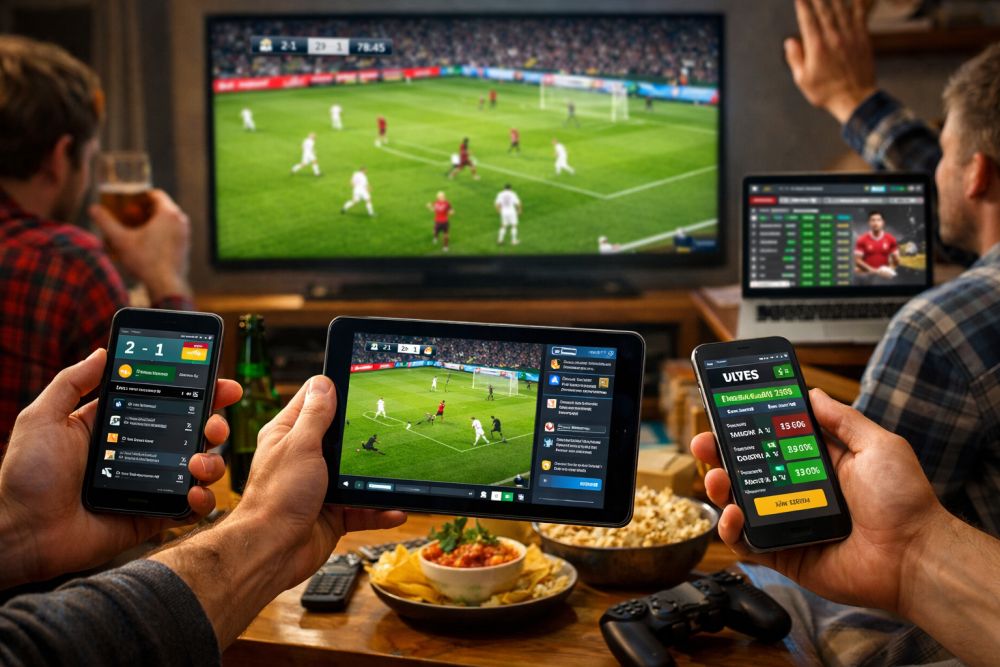
Nobody just watches the match anymore. For millions of fans worldwide, following live sport now means phone in hand, odds moving in real time and every moment of the game carrying a little extra weight.
This article explores how the rise of mobile betting platforms and live in-play markets has transformed sports viewing from a passive experience into an interactive one, making the second screen an essential part of how modern fans engage with the matches they watch.
Picture a Saturday afternoon football viewer in 2005. They sat down, watched the match, maybe discussed it afterward. That was the entire experience. Now picture the same viewer today.
The match is on the television, the phone is in hand, a live betting slip is open, group chats are firing and the odds on the next goalscorer are shifting with every attack. Same match. Completely different experience.
The second screen has quietly become one of the biggest changes in how sport is consumed in the modern era, and betting sits right at the center of it.
How Watching Became Participating
The numbers on this are striking. Nearly 80% of sports fans now use a second screen (usually a mobile device) while watching live games. For younger viewers the figure climbs even higher.
What they’re doing on those screens varies, but sports betting platforms consistently rank among the most-used companions to a live broadcast.
The reason is simple. Betting transforms the relationship between the viewer and the match. A neutral fixture between two mid-table teams becomes genuinely gripping when there’s a live position on the next goal. A dead rubber in the final minutes stays interesting because the in-play markets are still moving.
Platforms like bet way built their live betting products around exactly this dynamic: odds that update in real time with the flow of the match, markets on everything from the next corner to the final score and an interface designed to sit comfortably alongside the broadcast rather than compete with it.
The result is that watching and playing have merged into a single experience. The fan isn’t observing the match anymore. They’re involved in it.
Live Betting Changed What a Match Is
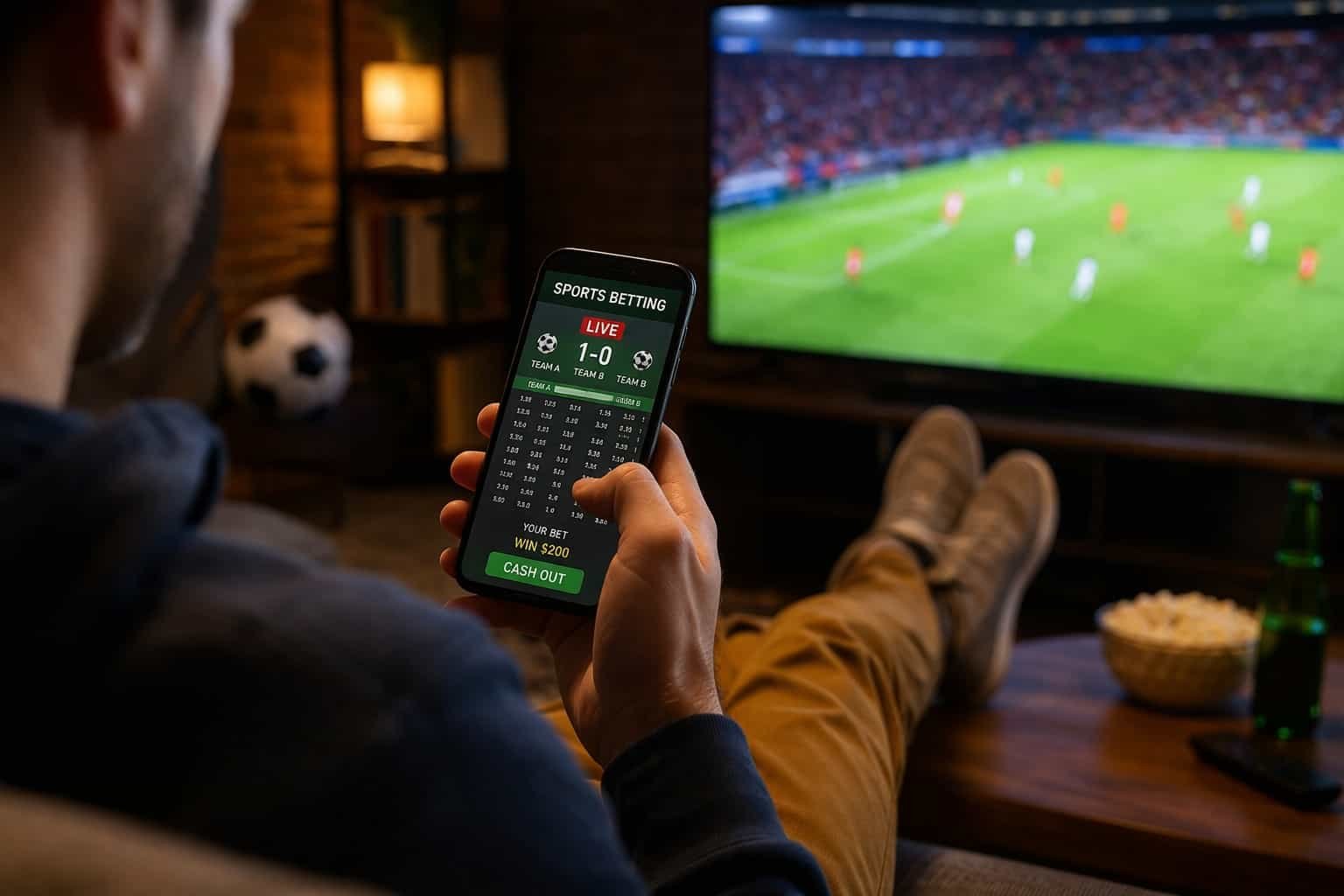
Before in-play betting existed, a wager was something placed before kickoff and then simply hoped about. The betting experience ended the moment the match began. Live betting flipped that completely… the match itself became the market.
That shift changed viewing behavior in measurable ways. Research published in the Journal of Sports Economics found that when a bet’s outcome gets decided mid-game, viewership drops.
But live markets keep running until the final whistle, which keeps bettors watching the whole match. The engagement effect is real and it’s one of the reasons sports leagues and broadcasters have embraced betting partnerships so enthusiastically.
Bettors are more engaged fans than non-bettors, more likely to attend games in person, buy merchandise and pay for streaming services.
For the fan, the practical effect is that no part of the match is dead time anymore. A 3-0 scoreline in the 80th minute used to mean reaching for the remote.
Now the live markets on the next goal, total corners or a late consolation keep the final ten minutes as engaging as the first ten.
The Social Dimension
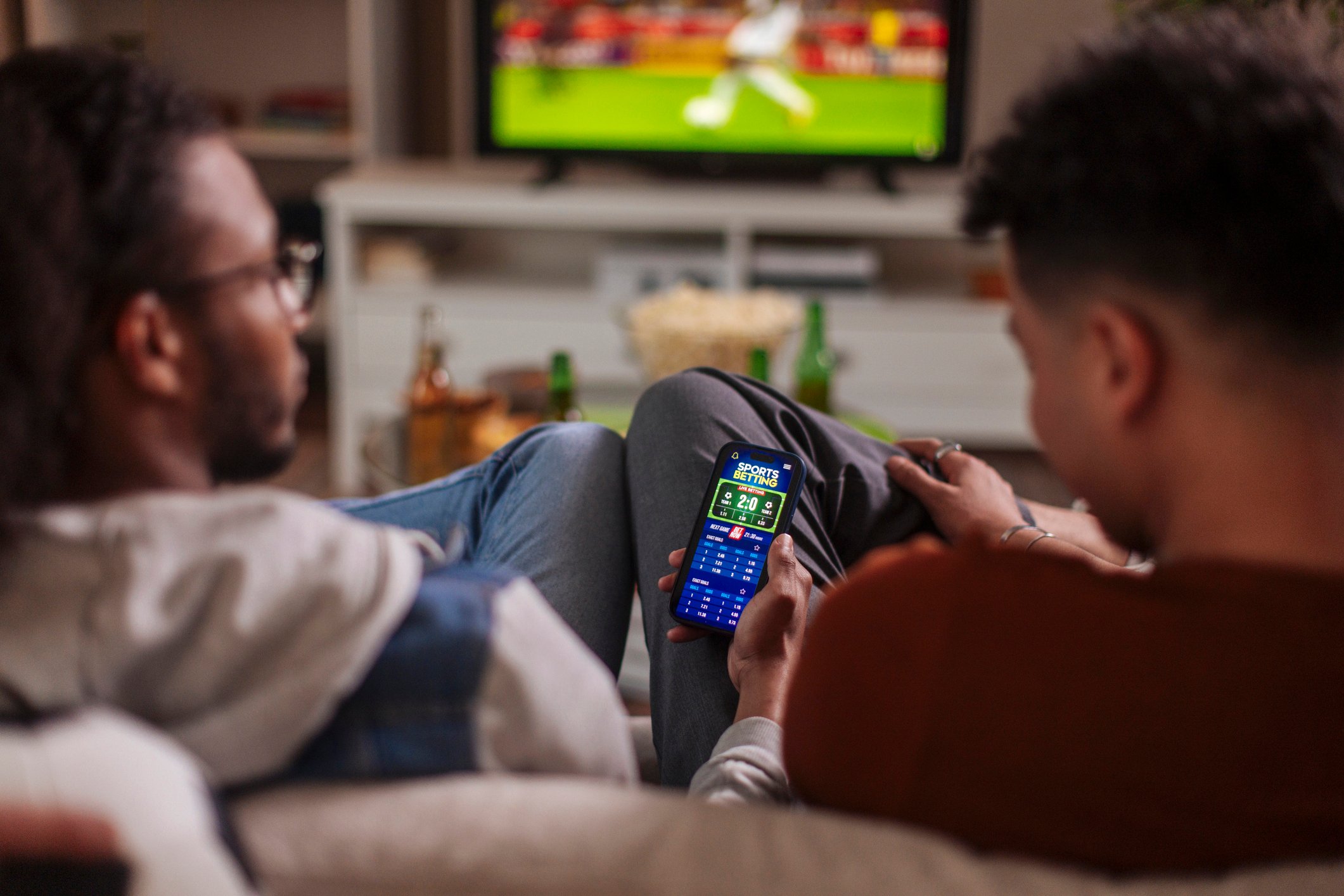
The second screen isn’t just about the individual fan and their bet slip. It’s social infrastructure. Group chats debating a live position, friends comparing selections before kickoff, the shared sweat of a multi-leg bet coming down to the last fixture of the evening.
These have become part of how people experience sport together, even when they’re watching in different cities.
Platforms have leaned into this naturally. Bet-sharing features, live match trackers and in-app statistics give fans a common reference point during matches.
On bet way, a fan following a live match has real-time data, shifting odds and a full range of in-play markets in one place, which increasingly makes the app itself part of the second-screen conversation, something friends check together and talk about as the match unfolds.
Watch parties and shared viewing have only amplified this. Sport has always been communal. The second screen didn’t replace that. No, it gave the communal experience a new layer.
Where This Is All Heading
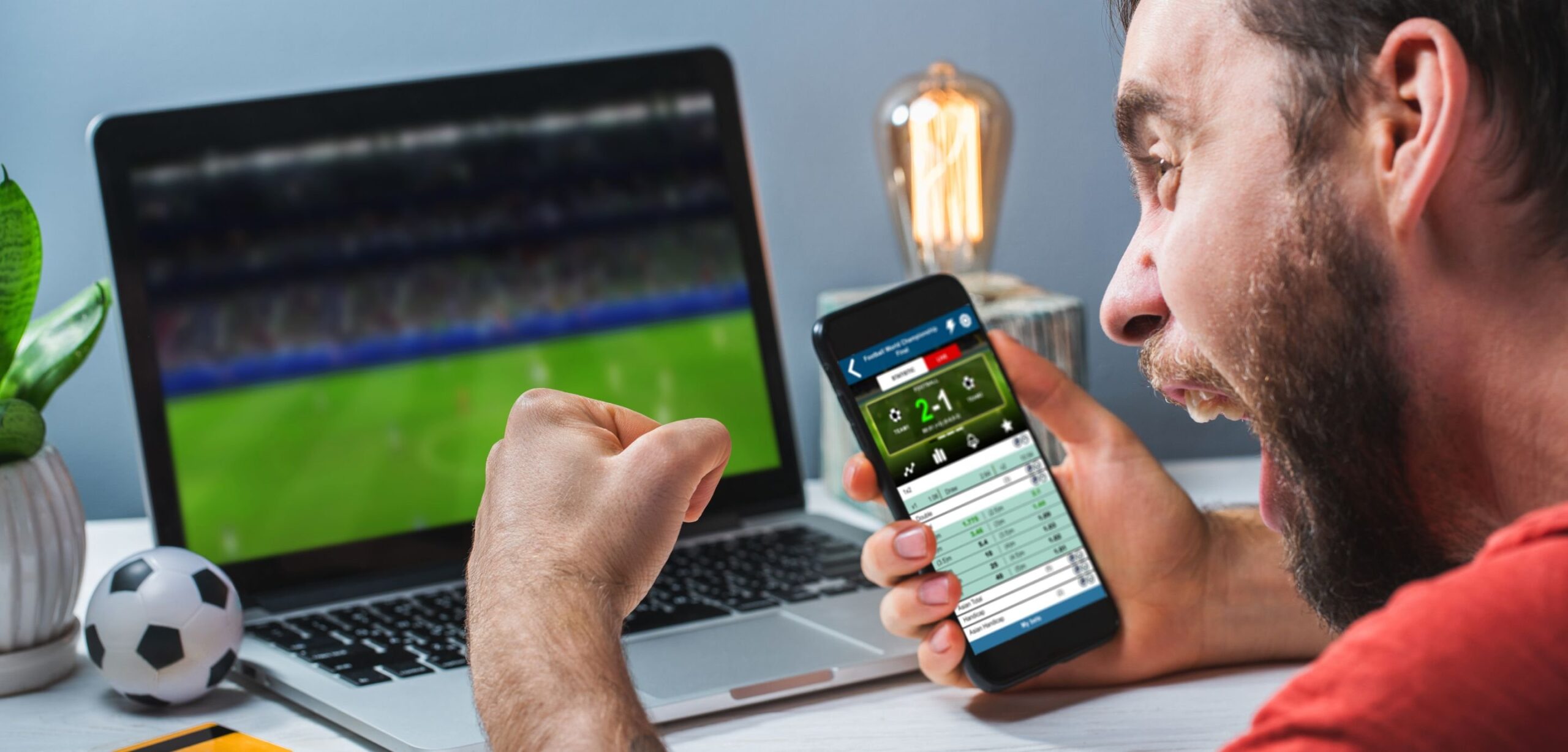
The direction of travel is clear: the gap between the broadcast and the betting experience keeps shrinking. Live odds are already integrated into broadcast graphics in many markets.
Streaming platforms are building interactive prediction features directly into the video player. The second screen is gradually becoming part of the first.
For fans, that means the participatory experience that platforms like bet way pioneered on mobile is becoming the standard way live sport is packaged and consumed.
The passive viewer of 2005 isn’t coming back. The modern fan watches with intent, engages in real time and experiences every match as something they’re part of rather than something they’re merely shown.
The match on the screen is the same as it ever was. Everything around it has changed.