
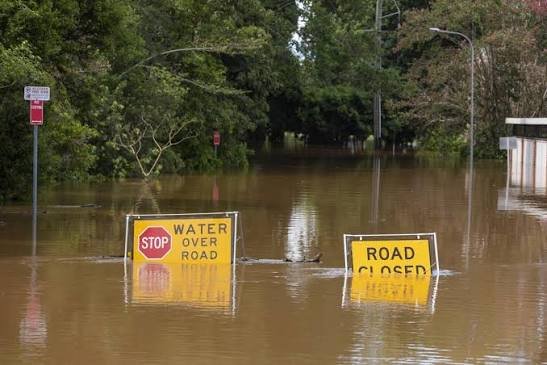
Storm and flood season can create serious disruption for Brisbane businesses, particularly when heavy rainfall affects access, damages equipment or allows water into commercial premises. Preparation should begin well before severe weather arrives. Checking the building, protecting important assets and creating a practical response plan can help businesses reduce potential damage and recover more efficiently.
Inspect the Premises Before Severe Weather Arrives

Start by examining areas where water could potentially enter the building. Roofs, gutters, drains, doors and windows should be checked for damage or blockages, while known leaks should be repaired rather than left until the next major storm.
Outdoor areas deserve attention as well. Loose furniture, signage and other objects may need to be secured when severe weather is forecast. Businesses should also keep drainage points clear and avoid storing materials where they could obstruct the normal movement of water.
Inside the premises, valuable equipment and important documents should not be stored directly on floors in areas with a history or risk of flooding. Moving vulnerable items to higher shelving can provide an additional level of protection if water enters the building.
Create a Plan for Cleaning and Recovery

Businesses should decide in advance what will happen if their premises are affected by stormwater, mud or debris. Responsibilities for assessing damage, contacting contractors and communicating with employees should be clear before an emergency occurs.
Cleaning after significant water intrusion may require more than ordinary workplace maintenance. Businesses researching commercial cleaning in Brisbane can find more information here when considering professional support for their premises.
The appropriate service will depend on the extent and type of contamination, the materials affected and whether specialist remediation is required.
Businesses should avoid reopening areas simply because surfaces appear dry. Water can reach flooring, walls, furniture and other materials where moisture is less obvious. Electrical or structural damage should be assessed by appropriately qualified professionals when necessary.
Protect Business Operations as Well as the Building
Physical preparation is only one part of storm planning. Businesses should maintain backups of essential digital records and ensure important contact information can be accessed away from the workplace. Insurance details, supplier contacts and emergency numbers should also be easy to locate.
Managers should establish a clear method for informing employees about closures, altered working arrangements or unsafe access conditions. Customers and suppliers may also need updates when severe weather affects normal operations.
After each significant weather event, it is useful to review what worked and what caused difficulties. A blocked drain, vulnerable storage area or communication problem identified during one storm can become a priority before the next one.
Conclusion
Preparing a Brisbane business for storm and flood season requires attention to both the premises and the continuity of operations. Regular building checks, protected storage, clear emergency responsibilities and a recovery plan can reduce unnecessary disruption. Businesses that prepare before severe weather arrives are also better positioned to assess damage and return to normal operations safely afterwards.