

The way individuals engage with mobile technology and real-time data systems has revolutionized the football betting experience today. As live data updates and streaming have evolved alongside match-day decisions, the majority of global sports betting now occurs on mobile systems. The recent transformation in the betting experience reflects the value that users have placed on increased technological interactivity with live sports.
Unlike in the past, betting, associated with the inescapable barrage of information, has now been woven into mobile technology and updates. Prediction betting has been transformed into continuous betting. Technological advancements have evolved betting users, reshaped networks, transformed interfaces, and improved sports data technology.
Mobile Apps and Live Updates

Mobile apps now serve as the primary access point for sports betting activity. They combine odds display, match tracking and betting functionality in a single interface. This integration allows users to respond immediately to events as they unfold on the pitch.
Platforms such as operate within this digital environment. The service provides online sports betting and casino betway nigeria gaming with extensive football coverage across international leagues. It also highlights its official partnership with Manchester City and includes tools designed to support secure and responsible gaming practices.
According to data from Statista’s global online gambling reports, more than 70 per cent of sports betting activity now takes place on mobile devices as of the mid-2020s. This shift reflects the dominance of smartphones as the main tool for accessing betting markets.
In-game updates further accelerate this process. Live odds shift within seconds of key events such as goals, penalties or substitutions. This speed encourages rapid decision-making and reduces the time available for analysis. The combination of mobile access and live data creates a continuous feedback loop between match events and betting behaviour.
Changes in Match Betting Choices Made Simpler by Real-time Match Updates
Data on match events and updates in real time has become the dominant factor behind betting choices, because bettors no longer need to rely on stats and analysis that emerges before the match; they can rely on stats and analysis that are provided live, such as the possession rates, expected goals, and shot accuracy.
Through data analytics, people can understand that teams that have possession of the ball, although the score is 0-0, are more likely to have the ball and data shown. This also plays a factor in determining how bets will be placed also plays a factor in determining how bets are placed at various stages of a match.
Sportradar and other companies dedicated to sports analytics explain that during major football tournaments and other major leagues, in-play betting has grown and sometimes has greater betting volume than pre-match betting.
Rapid updates come with increased sensitivity to changes and short-term occurrences. Things like a red card or a tactical substitution can result in immediate changes to odds. Decisions are made in a rapidly evolving environment that depends on the interpretation of live events.
Instant Notifications Change User Behaviour
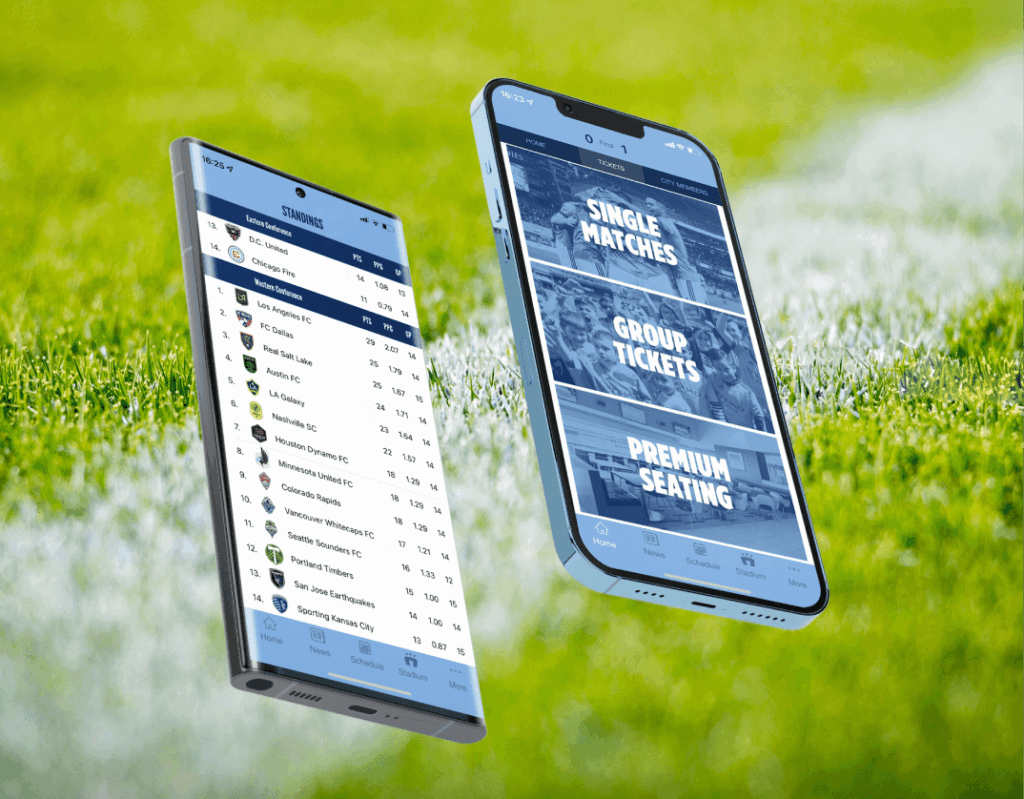
Instant notifications act as a continuously evolving connection between the user and the match. Notifications of such occurrences as goals, match events or even injury updates get delivered directly to the user’s mobile device.
This use of notifications also changes how the matches are engaged. Users no longer engage continuously with the match as they often respond to notified events. This also changes the frequency at which the betting apps are opened and the volume of bets that are made.
For those who have the live sports notifications, users on average engage significantly more with betting apps as opposed to users who do not have notifications enabled; certain telecom analytics firms suggest the changes can be up to three times more frequent.
The effect that notifications have on sports betting is very apparent. Users have quicker reactions, and the number of decisions made during a match increases. This also causes a cycle that places users in an almost continuous loop of react and bet.
How Live Streaming Affects In-Play Betting Decisions

Live streaming has become closely integrated with in-play betting platforms. It allows users to observe matches while simultaneously accessing betting markets in real time. This dual access strengthens the connection between visual information and decision-making.
The presence of live video reduces reliance on text or statistical updates alone. A missed scoring opportunity or defensive error carries more weight when seen directly. This visual context influences how users interpret momentum and adjust bets accordingly.
Industry reports from communications regulators and network providers indicate that improvements in global mobile infrastructure, particularly the expansion of 4G and 5G networks, have reduced average streaming latency by a substantial margin over the past decade. Lower delay improves synchronization between live action and betting markets.
This reduced lag is important in fast-moving markets such as next goal or corner betting, where timing differences of a few seconds can affect outcomes. Live streaming, therefore, increases both engagement and responsiveness during matches.