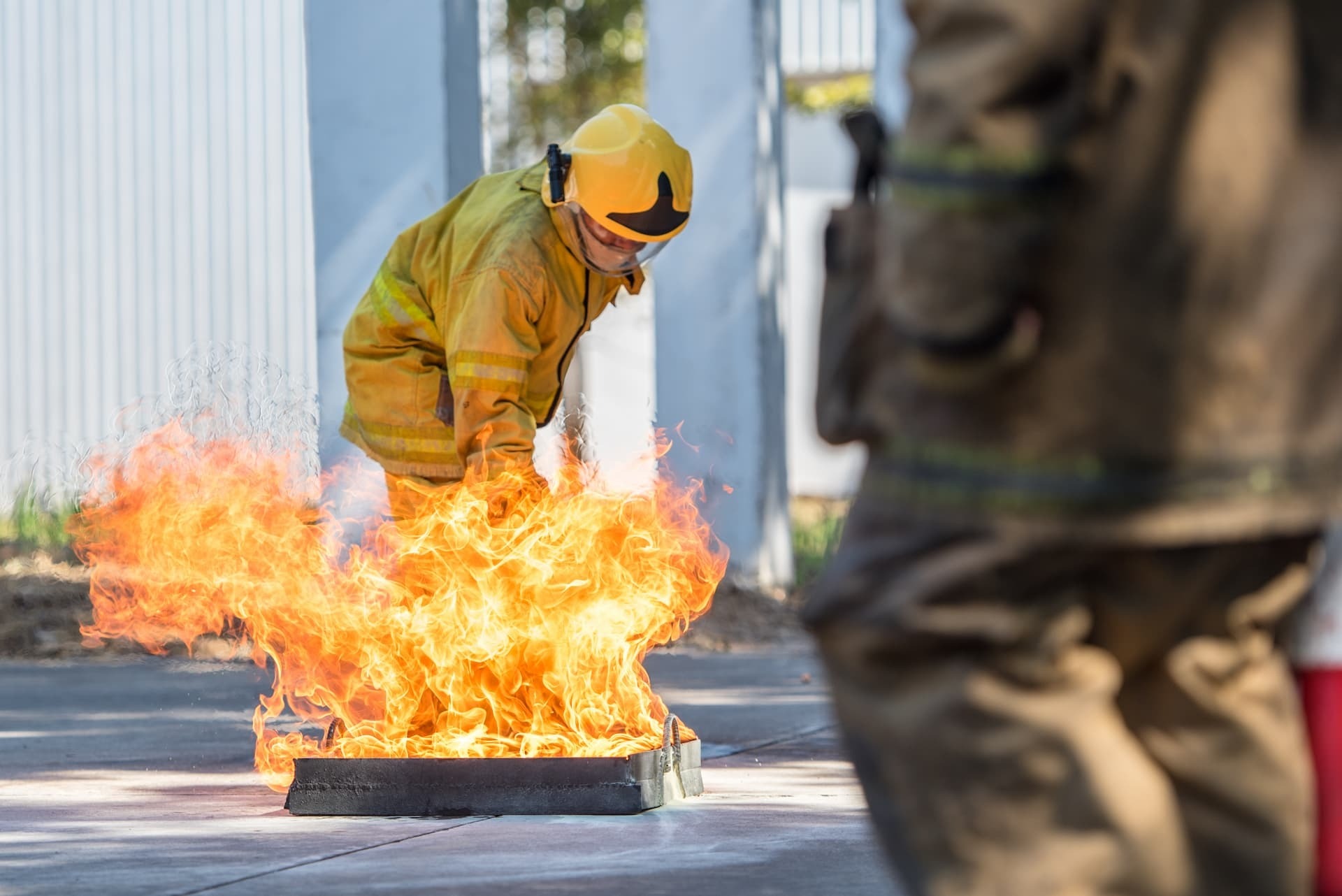
In many skilled trades, exposure to flame, sparks, molten metal, and extreme heat is a daily reality. Welders, electricians, oil and gas workers, metal fabricators, and industrial maintenance crews all operate in environments where a single spark can cause serious injury.
That’s why flame retardant clothing is a critical part of job-site safety it provides a protective barrier designed to reduce burn severity, prevent fabric ignition, and give workers vital seconds of protection when heat hazards are present.
Understanding Heat and Flame Hazards in the Trades
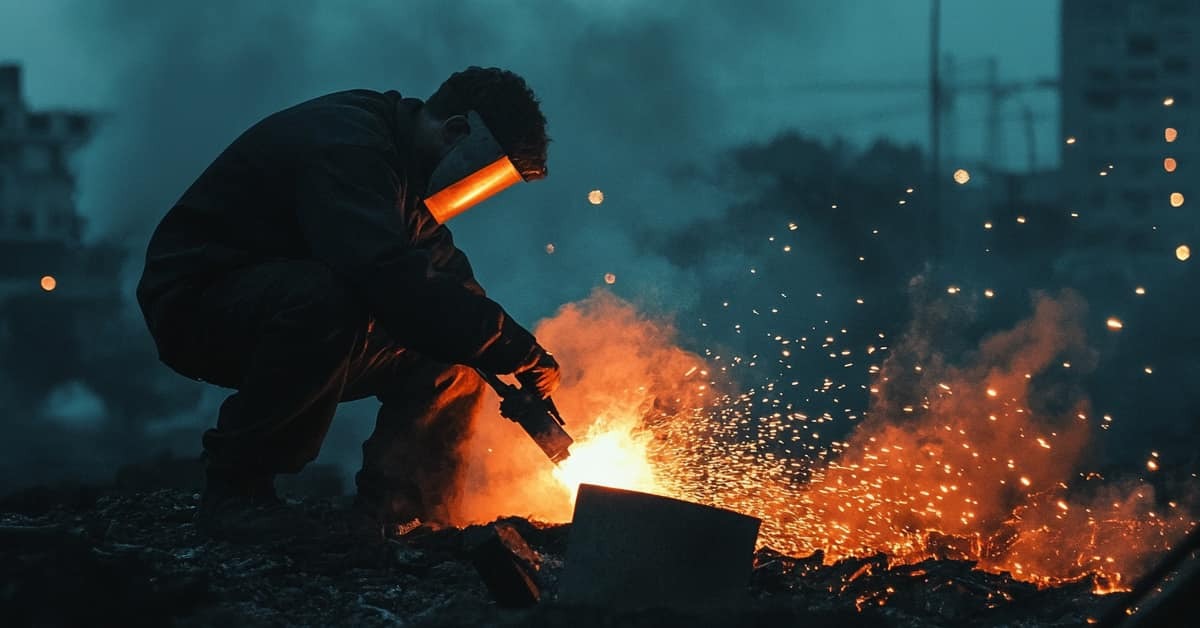
Heat-related hazards aren’t limited to open flames. Many job sites contain multiple ignition sources that can cause clothing to ignite unexpectedly.
Common heat and flame hazards include:
- Welding sparks and slag
- Grinding and cutting debris
- Electrical arc flashes
- Hot surfaces and equipment
- Molten metal splatter
- Fuel vapors, gasoline and flammable gases
- Steam and pressurized heat sources
Standard workwear can ignite, melt, or continue burning once exposed to these hazards increasing injury severity.
Flame retardant garments are engineered to behave differently under these conditions.
How Flame Retardant Clothing Protects Workers
Flame retardant clothing is designed to resist ignition and self-extinguish once the flame source is removed.
Key protective properties include:
- Delayed ignition, reducing the chance of clothing catching fire
- Self-extinguishing behavior, preventing continued burning
- Thermal insulation, limiting heat transfer to the skin
- Reduced fabric melting, which helps prevent severe skin burns
This protection doesn’t make workers fireproof but it dramatically reduces the severity of injuries when incidents occur.
Trades That Face High Heat and Flame Exposure
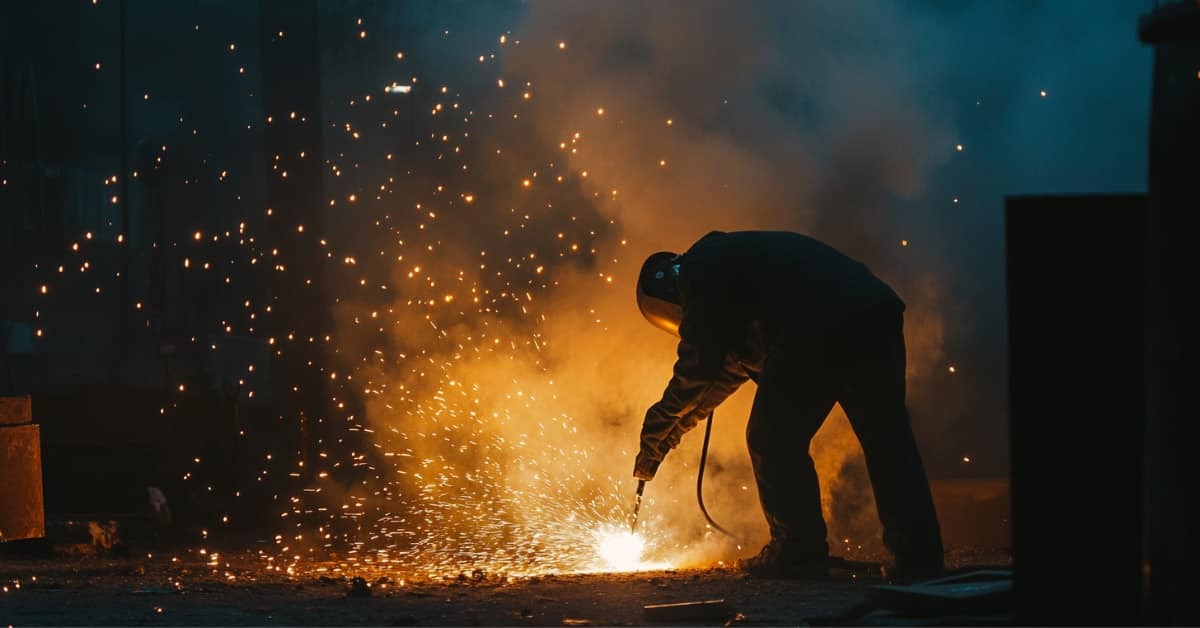
Some trades operate in heat-intensive environments every day.
Industries where FR clothing is essential:
- Welding and metal fabrication
- Electrical and utility work
- Oil, gas, and refinery operations
- Chemical processing plants
- Foundries and steel mills
- Industrial maintenance
- Emergency repair crews
In these environments, wearing flame retardant apparel is not only best practice it’s often required by safety regulations.
Why Regular Clothing Is Dangerous Around Heat
Cotton, polyester, and blended fabrics can ignite easily and continue burning. Synthetic materials can melt onto the skin, causing deep, severe burns.
Risks of non-FR clothing include:
- Fabric ignition
- Melting and dripping material
- Extended burn duration
- Increased injury depth
- Slower emergency response
FR clothing is specifically designed to avoid these dangerous behaviors.
Key Flame Retardant Garments for Heat-Intensive Work
FR Shirts and Tops

Provide upper-body protection where sparks and arc exposure are most common.
FR Pants
Protect legs from molten metal splatter and hot debris.
FR Coveralls
Offer full-body protection and reduce exposed skin.
FR Jackets and Outerwear
Essential for cold environments where layering is required without compromising flame resistance.
FR Rainwear
Allows safe work in wet conditions without sacrificing protection.
Choosing the right combination depends on the work environment and hazard level.
The Importance of Proper Fit and Layering

Loose-fitting clothing can catch on equipment, while tight clothing may reduce insulation.
Best practices include:
- Properly fitted garments
- Layering FR clothing only with other FR-rated items
- Avoiding synthetic underlayers
- Keeping sleeves and pant legs secured
Improper layering can reduce overall protection.
Maintaining Flame Retardant Clothing
FR clothing must be properly cared for to maintain effectiveness.
Care guidelines include:
- Washing according to manufacturer instructions
- Avoiding bleach and fabric softeners
- Inspecting for holes, thinning, or damage
- Replacing garments that no longer meet safety standards
Damaged FR clothing may not provide adequate protection.
Training and Awareness Matter
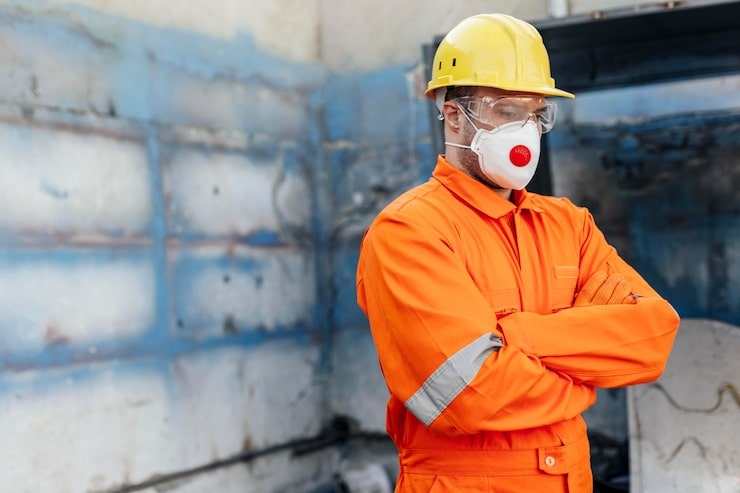
Protective clothing works best when workers understand its purpose and limitations.
Training should cover:
- When FR clothing is required
- How it behaves during flame exposure
- Proper use and inspection
- Integration with other PPE
- Emergency response procedures
Knowledge increases compliance and safety.
Final Thoughts
Heat and flame hazards are a constant reality in many trades. Wearing flame retardant clothing is one of the most effective ways to reduce burn injuries and improve survival during unexpected incidents. When paired with training, awareness, and proper safety practices, FR clothing becomes a powerful tool that protects lives and careers. In high-heat environments, protection isn’t optional it’s essential.