
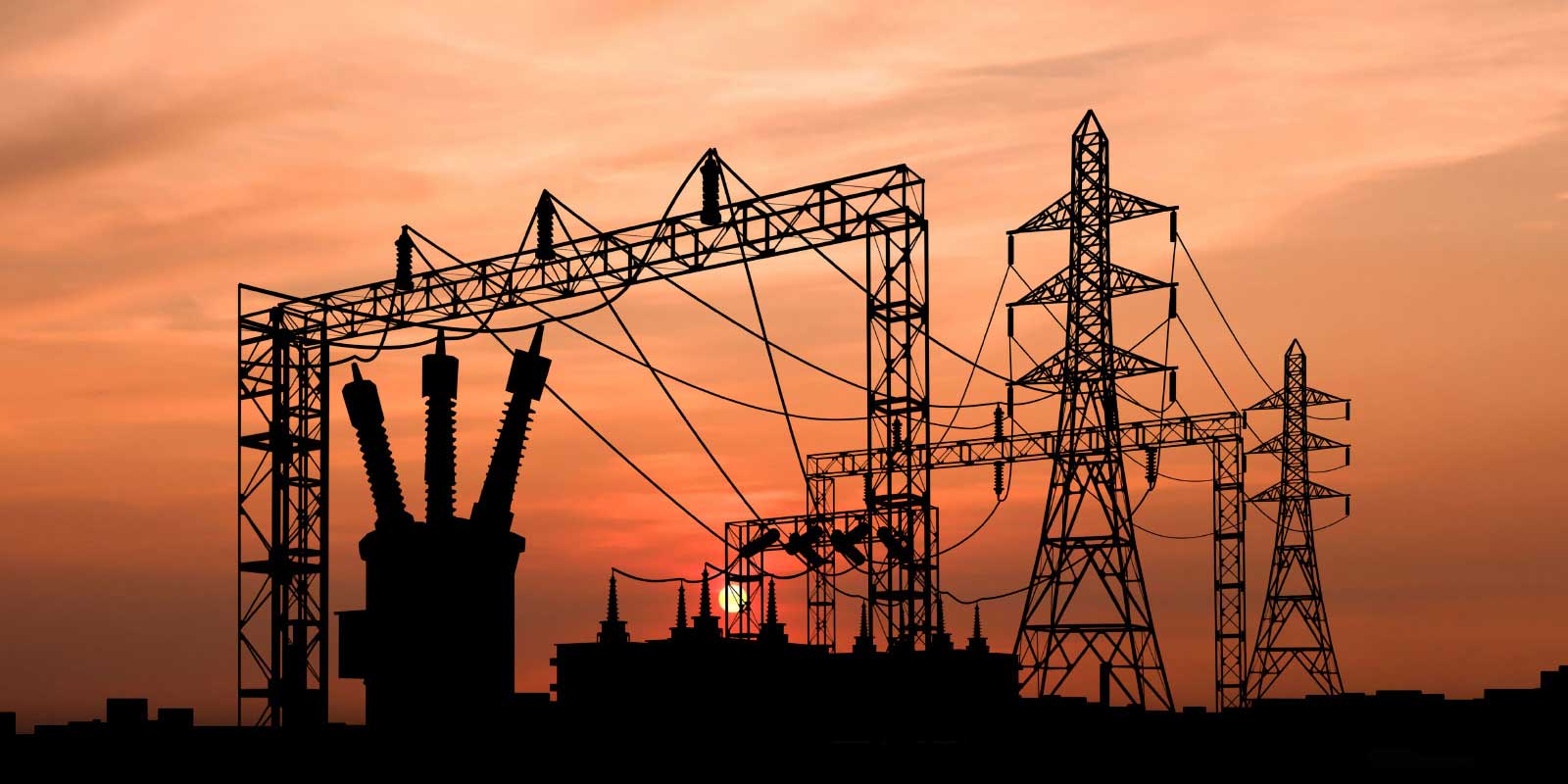
Power systems design and commissioning are essential stages in delivering complex energy projects that demand precision, reliability, and long term performance. From industrial facilities to large scale utility networks, these projects require careful planning, advanced engineering, and structured execution to ensure safe and efficient operation. By combining detailed design with thorough commissioning processes, organisations can reduce risk and achieve consistent system performance.
Designing Reliable Power Systems for Complex Projects

Power systems design involves developing electrical networks that can handle specific load demands, environmental conditions, and operational requirements. Engineers must consider factors such as voltage levels, protection schemes, equipment selection, and system integration. In complex projects, even minor design errors can lead to inefficiencies or potential failures.
A well structured design process ensures that all components work together effectively, supporting both current operations and future expansion. This includes coordination between substations, transformers, switchgear, and control systems. Strong design foundations are critical for building systems that remain stable and adaptable over time.
The Role of HV Testing and Commissioning

Before any system becomes fully operational, it is essential to carry out HV testing and commissioning for critical electrical infrastructure to confirm that all components perform as intended. This stage involves detailed inspections, functional testing, and validation of protection systems under controlled conditions.
High voltage testing helps identify potential issues such as insulation weaknesses, incorrect settings, or installation defects. Commissioning teams simulate real operating scenarios to ensure that systems respond correctly under load and fault conditions. This process provides confidence that the infrastructure is safe, compliant, and ready for operation.
Ensuring Performance and Safety in Energy Projects

Complex energy projects often involve multiple stakeholders, strict regulatory requirements, and technically demanding environments. Ensuring performance and safety requires a coordinated approach that integrates design, testing, and operational readiness. Engineers and commissioning specialists work together to identify risks, optimize system performance, and ensure compliance with industry standards.
By applying rigorous testing and validation procedures, project teams can reduce the likelihood of unexpected failures and improve long term reliability. This approach supports efficient operation while protecting both equipment and personnel in high risk environments.
Conclusion
Power systems design and commissioning are fundamental to the success of complex energy projects. Through careful planning, advanced engineering, and thorough testing, organisations can deliver reliable and efficient electrical infrastructure. With a strong focus on performance and safety, these processes help ensure that energy systems operate effectively and meet the demands of modern industry.