
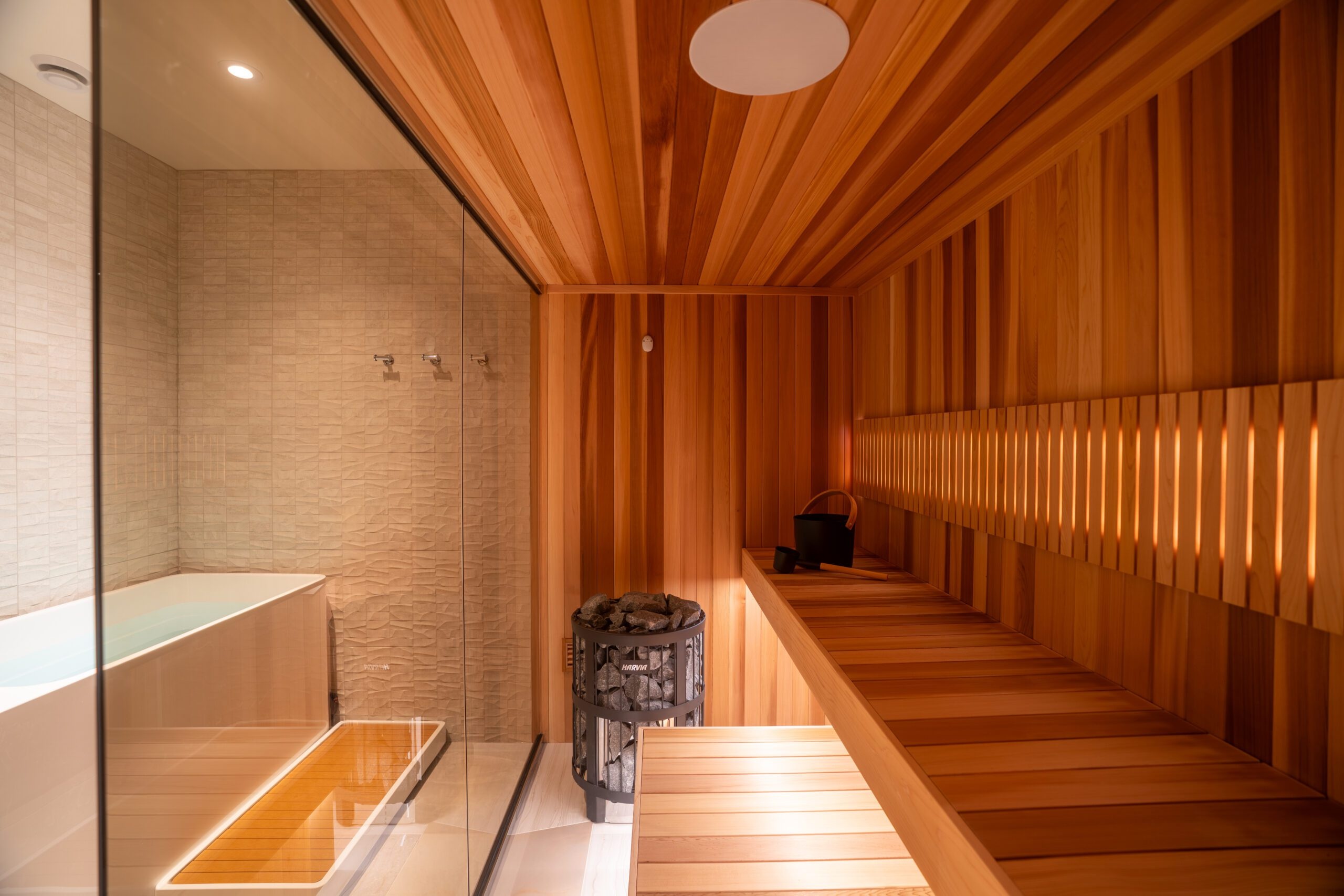
Adding a sauna to your home can be a great way to create a relaxing space that supports comfort, recovery, and everyday wellness. Whether you want a quiet place to unwind after work, support muscle relaxation, or simply bring a spa like feeling into your home, choosing the right sauna requires careful thought. With different styles, sizes, heating systems, and installation options available, it is important to understand what will work best for your space and lifestyle.
A home sauna should feel practical as well as enjoyable. Before making a decision, consider where it will be installed, how often it will be used, and what type of experience you prefer. Planning these details early helps you choose a sauna that feels comfortable, efficient, and suitable for long term use.
Decide Which Sauna Type Suits Your Lifestyle
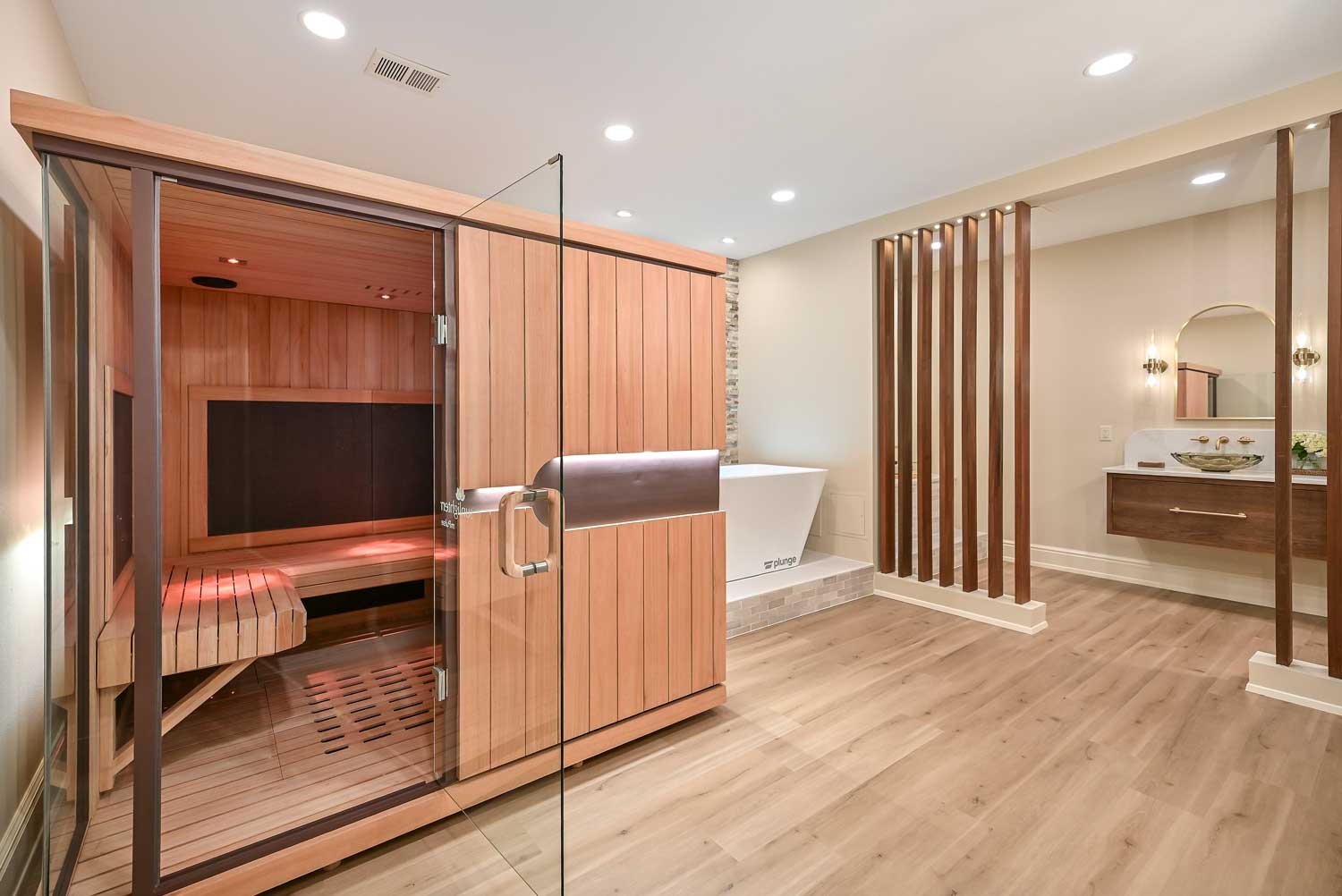
The first step is understanding the different types of saunas available. Traditional saunas use heated stones to create a warm, dry environment, often with the option to add steam by pouring water over the rocks. Infrared saunas work differently, using infrared heat to warm the body directly at lower air temperatures.
Your choice should depend on the experience you want. Some homeowners prefer the intense heat and classic atmosphere of a traditional sauna, while others like the gentler warmth of infrared models. When comparing options, it can be useful to buy sauna products to improve wellness that match your personal comfort needs and available space.
Think about who will use the sauna and how often. A smaller model may be enough for one or two people, while a larger household may benefit from a more spacious design.
Consider Space, Installation, and Ventilation

Before choosing a sauna, carefully measure the area where you plan to install it. Indoor saunas can fit in bathrooms, basements, spare rooms, or home gyms, while outdoor saunas may be placed in gardens or patios. Each location has different requirements for flooring, electrical access, and protection from moisture.
Installation should be practical and safe. Some saunas come as ready made units, while others require more detailed construction. Electrical requirements are especially important, as larger saunas may need professional installation to operate safely and efficiently.
Ventilation should not be overlooked. Good airflow helps maintain comfort, controls moisture, and protects the structure over time. A well planned installation ensures that your sauna remains pleasant and reliable for years.
Compare Materials, Features, and Long Term Value
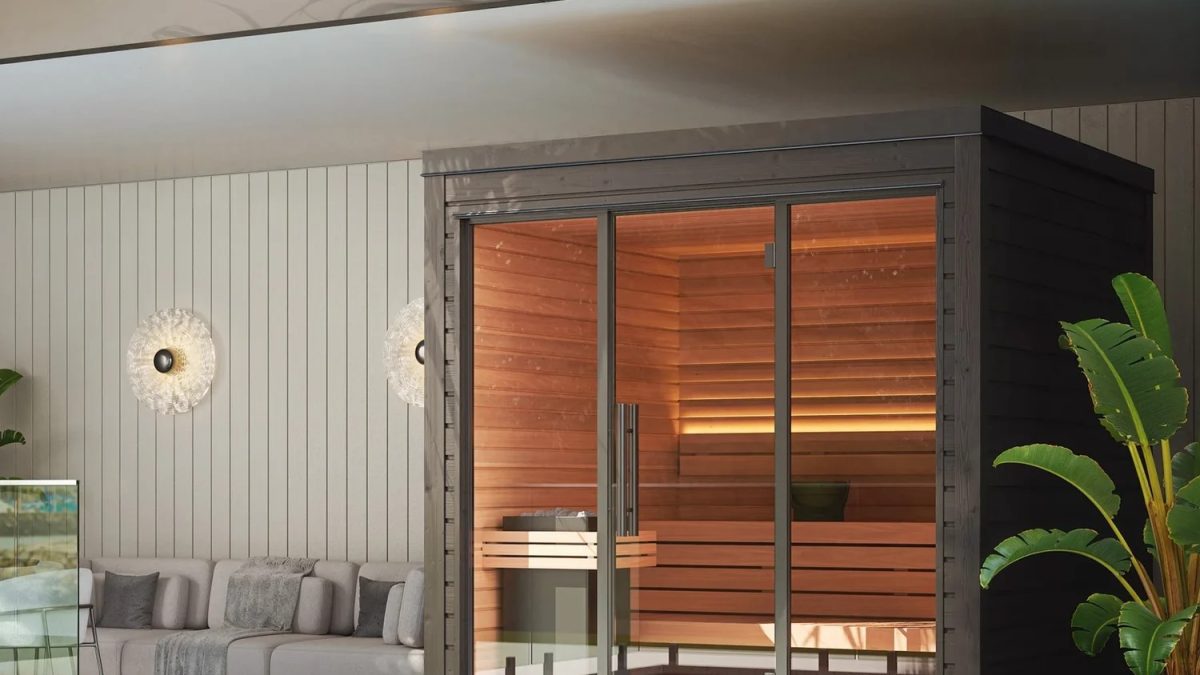
The quality of materials can make a big difference in how your sauna looks, feels, and performs. Woods such as cedar, hemlock, and spruce are commonly used because they handle heat well and create a natural, calming atmosphere. Smooth benches, durable doors, and strong insulation all contribute to comfort and efficiency.
Additional features can also improve the experience. Adjustable temperature controls, lighting, timers, sound systems, and ergonomic seating may make regular use more enjoyable. However, it is best to choose features that genuinely add value rather than paying for extras you may rarely use.
Long term costs should also be considered. Energy efficiency, maintenance needs, and build quality all affect the true value of the sauna. A cheaper option may cost more over time if it performs poorly or requires frequent repairs.
Conclusion
Choosing the right sauna for your home involves balancing comfort, space, quality, and long term value. By understanding the different sauna types, planning installation carefully, and comparing materials and features, you can select a model that fits your lifestyle. A well chosen sauna can become a relaxing and practical addition to your home, helping you create a personal wellness space that you can enjoy for years.