Choosing the right time-lapse camera setup can make a big difference in how well you document progress, support reporting, and manage stakeholders. For construction projects, the ideal system depends on site size, power availability, connectivity, desired image quality, and how much hands-on maintenance you can realistically handle. Below is a practical comparison of hybrid, internal, and DSLR time-lapse setups and where each one fits best.
Hybrid time-lapse systems for reliable long-term capture
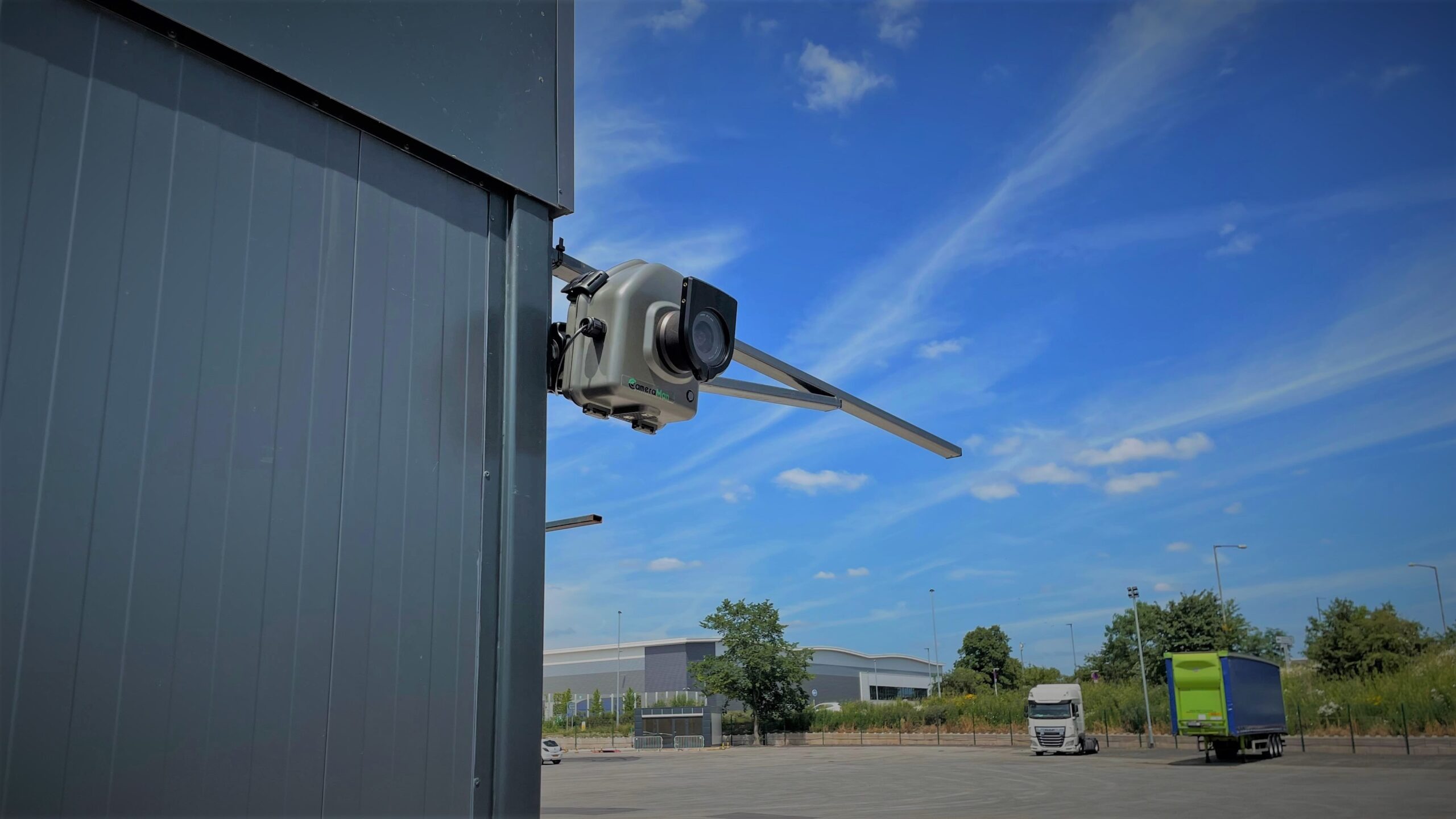
Hybrid setups combine strong hardware with remote connectivity, typically using cellular data and flexible power options such as battery packs, solar, or mains. In the first paragraph after this heading, the benefits of timelapse for construction are most obvious because hybrid systems reduce manual site visits, keep capture running through changing conditions, and provide consistent updates to project teams.
Hybrid systems are a strong choice for long builds, remote sites, and projects that need reliable uptime. They often include weatherproof housings, scheduled capture intervals, remote health checks, and cloud platforms for viewing, sharing, and exporting. The tradeoff is cost, since these systems usually involve hardware plus a service plan. However, the reduced labor for site visits and the reliability often justify the investment on higher value projects.
Internal site cameras for integrated monitoring and quick access
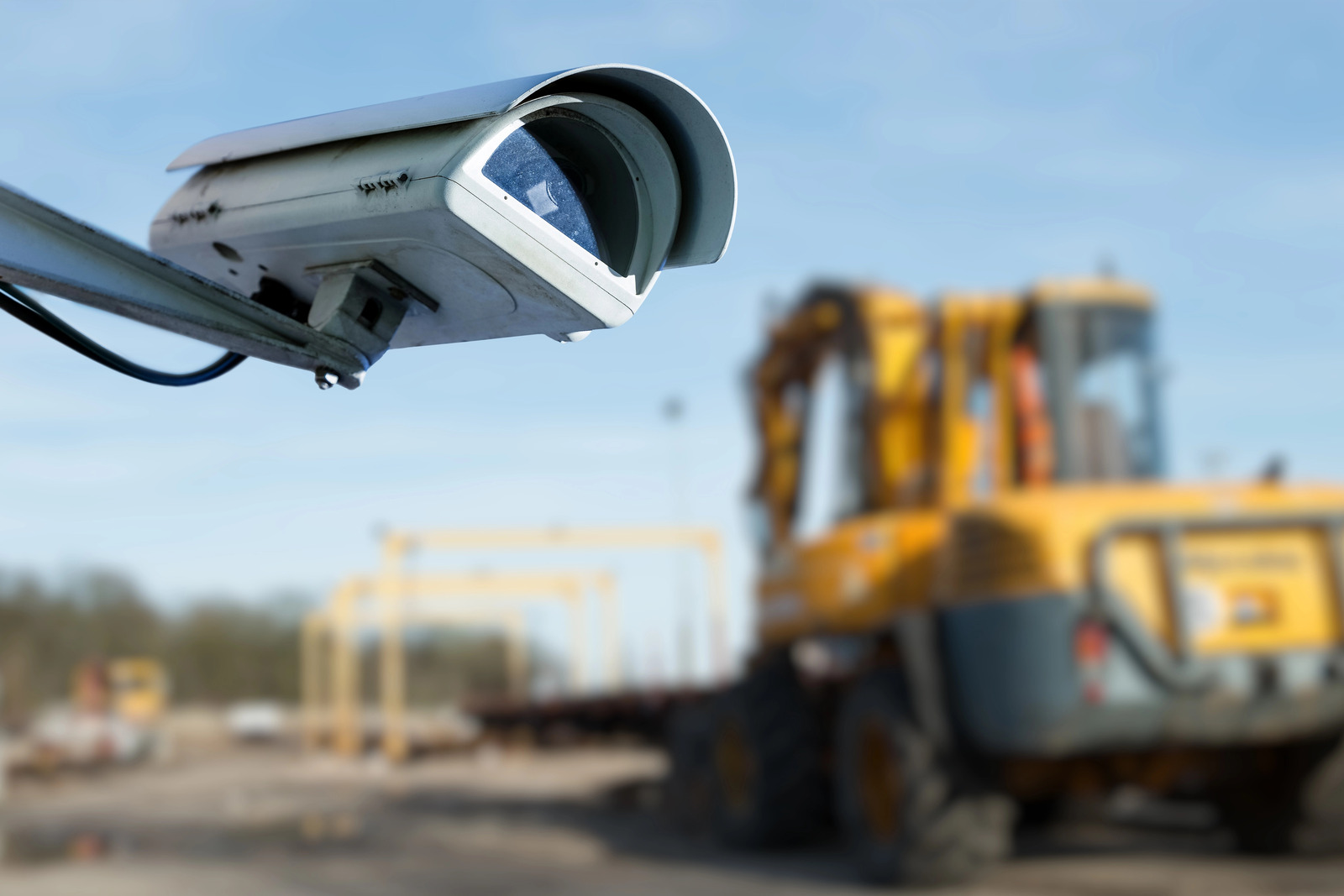
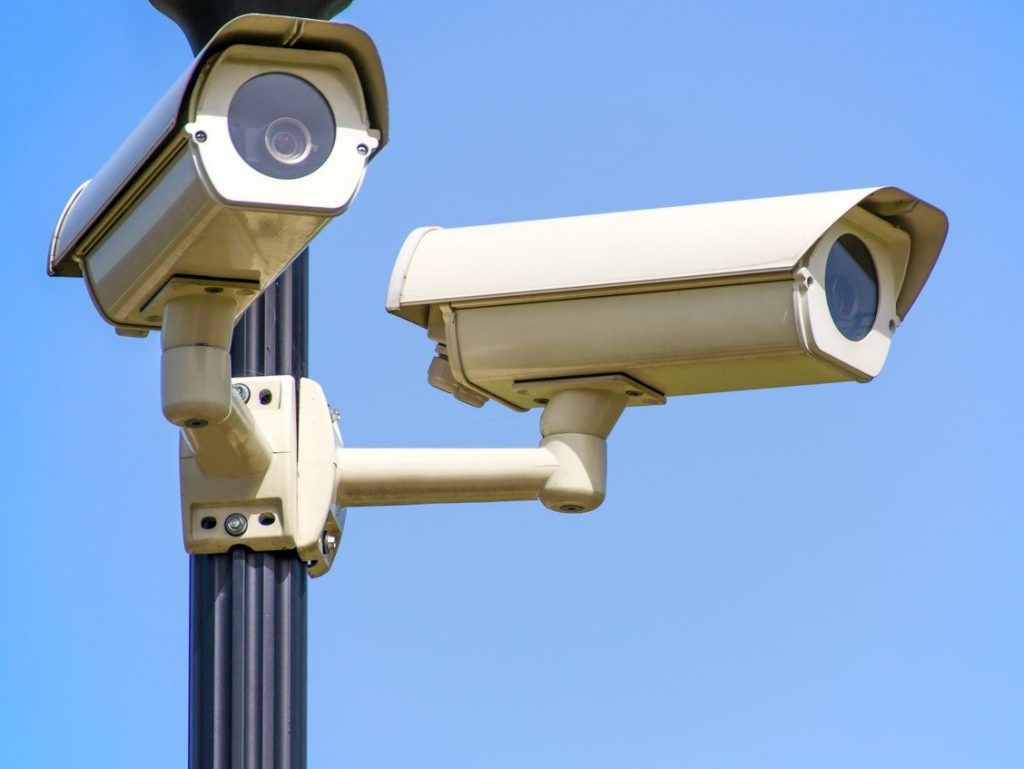
Internal setups are typically cameras placed within the site network or used as part of an existing security and monitoring system. They can be a cost effective option when you already have power and connectivity on site and want central access through your internal platform. They work well for fixed compounds, plant rooms, laydown areas, and long duration projects with stable infrastructure.
The main limitation is flexibility. Construction sites change fast, and internal systems can be harder to relocate or may suffer from network interruptions if site connectivity shifts. Image quality and lens control can vary depending on the hardware used. Still, for teams that want time-lapse as part of broader oversight, internal setups can deliver quick access, easier integration with other site controls, and centralized user management.
DSLR time-lapse for maximum image quality and marketing-grade output

DSLR-based time-lapse is the gold standard for image quality, dynamic range, and creative control. With the right lens and settings, a DSLR can produce sharp frames that work beautifully for marketing, stakeholder reels, and cinematic progress videos. This approach is most common when visual quality is the top priority, and the project team can manage regular maintenance.
DSLR setups usually require more hands-on work. They need stable mounting, protection from weather and dust, consistent power, and periodic checks for focus, framing, storage, and exposure changes. They also produce large files, so data management matters. Many teams use DSLR time-lapse for key milestones or showcase angles, sometimes alongside a more automated system that captures the full project timeline without gaps.
Conclusion
Hybrid systems suit long projects where reliability and remote management matter most, internal site cameras work best when you already have stable site infrastructure, and DSLR setups deliver premium visuals when you can support higher maintenance. The best choice depends on your goals, resources, and the level of documentation and output quality you need across the project lifecycle.